
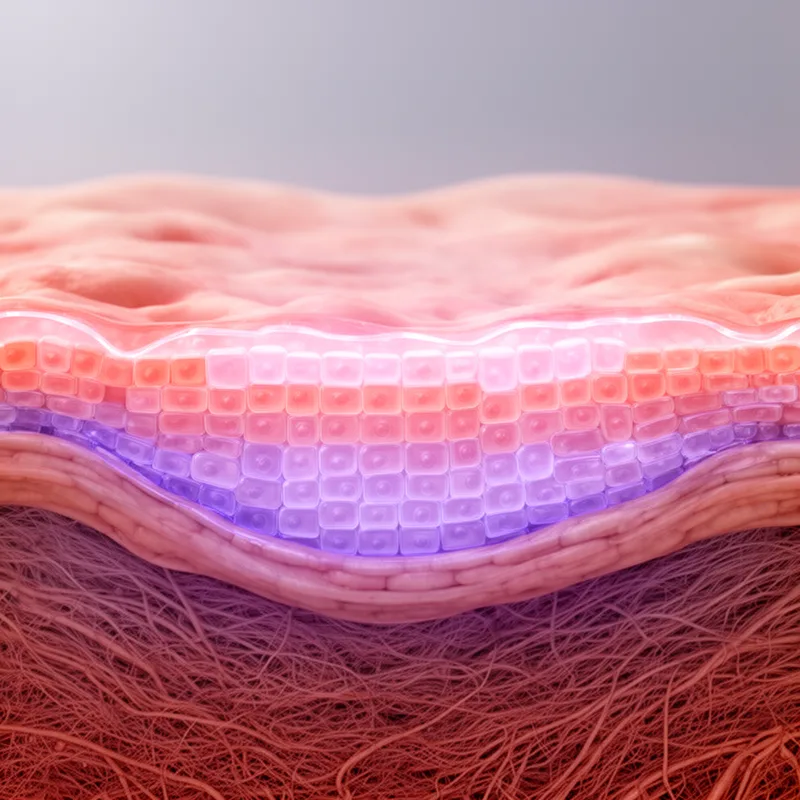
epithelial
 8
8.1
8
8.1

- adjective
- /ˌɛpɪˈθiːliəl/
- Specialized
- So, you know, damage to the epithelial lining of the vasculature, like things like that.
- epithelial cells
- epithelial tumor
- epithelial tissue
Loading YouTube…
Watch on YouTubeIt involves changes to the rigidity of the epithelial layer.
- It involves changes to the rigidity of the epithelial layer.
- So overall survival hasn't changed for solid epithelial tumors.
- The intestine is made-up of cells, intestinal epithelial cells that are bound together and they're bound with proteins that basically form a barrier.
Examples
-
In five of the nine cases, we obtained epithelial cells in the washings.
Academic text (1999) -
Look in the background of this shot, the walls here, they are squamous epithelial cells, the ones we find in the mouth.
-
This is the outer epithelial layers of your skin that have been burned away.
-
A literature search revealed 24 previously reported cases of such a papillary epithelial tumor of the middle ear.
Academic text (2008) -
It starts with a normal epithelial cell in a duct in the pancreas.
-
Epidemiological studies indicate that consumption of cruciferous vegetables can reduce epithelial cancer.
Academic text (2017) -
Breast cancer, lung cancer, pancreas cancer, these are all cancers of epithelial tissues.
-
The height and thickness of papillae and the thickness of the epithelial layer were measured.
Academic text (2013) -
The intestine is made-up of cells, intestinal epithelial cells that are bound together and they're bound with proteins that basically form a barrier.
-
On one side, the virus invades the epithelial cells that form the lining of the small intestine.
Compounds
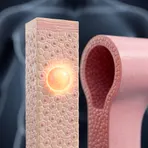
- Specialized
5
5.0
A cell that forms a thin layer covering body surfaces and inner organs
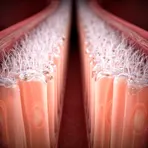
- Specialized
A tall cell, longer than it is wide, that lines organs and tubes and often has tiny hairs

- Specialized
A cube-shaped cell that lines glands and small tubes and helps absorb or release liquids

- Specialized
A tube in the body lined with thin cells that carries a fluid like saliva or mucus

- Specialized
A thin layer of cells that covers body surfaces and lines internal organs and cavities
Surface Forms
Morphology
epithelial = epithelium (transparent) = epithelium + al
The adjective is a straightforward relational formation meaning 'relating to epithelium.'
Etymology
Epithelial comes from Greek parts epi- meaning 'on' and thele meaning 'nipple', because early doctors used it for the thin tissue that sits 'on' body surfaces. So, epithelial now means the thin layer of cells that covers the skin or lines organs, and you can see the same epi- 'on' idea in epidermis.