
epiphenomenalism


 1
9.9
- noun
- /ˌɛpɪfɪˈnɒmɪnəlɪzəm/
- Specialized
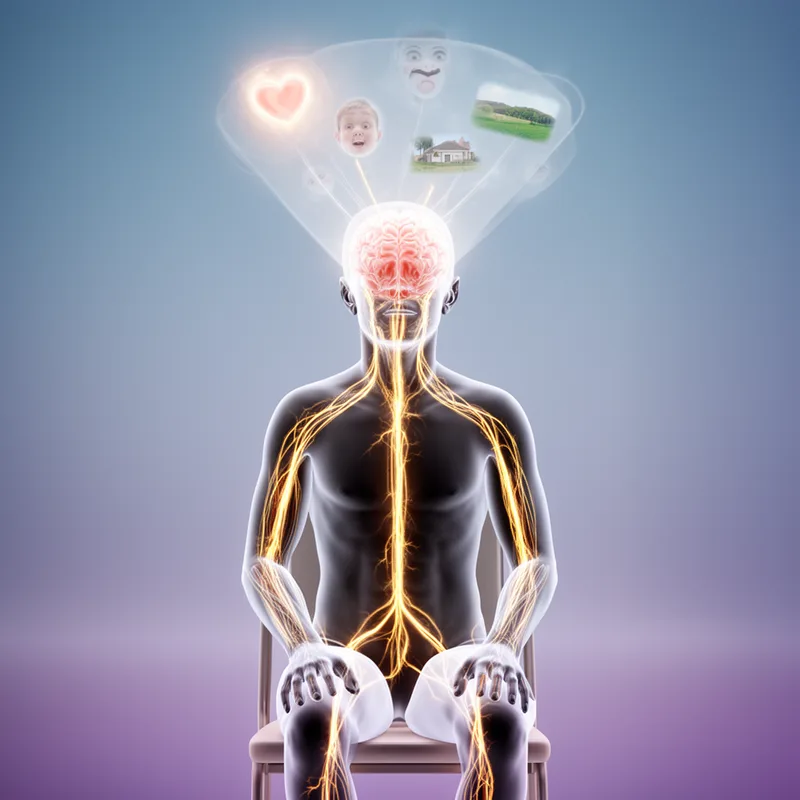
- epiphenomenalism argues that while mental states arise from brain activity, they do not affect any physical actions.
Examples
-
When talking about epiphenomenalism of the mind, there is "hard" and "soft." The underlying premise is that only physical attributes affect the mental and not vice versa.
Blog text (26) -
"If you are an adherent of epiphenomenalism, you should at least understand its consequences, namely that 'mental events ... have no effects upon any physical events'"
Blog text (26) -
And even if the mind were thought to be somewhat distinguishable from the brain, as in epiphenomenalism, life after death would still be unthinkable because the mind's perceptions are said to be wholly dependent upon the physical body.
Academic text (1991) -
Keywords: George Santayana, Gilles Deleuze, Essence, Event, Phantasm, Ghost, Epiphenomenalism, Philosophy of Mind, Pragmatism
Academic text (2017) -
If you are an adherent of epiphenomenalism, you should at least understand its consequences, namely that "mental events ... have no effects upon any physical events", so you can't deny true conscious will in one hand and then grant some of it back by phrasing it differently ("exerting control and direction to our lack of free will").
Blog text (26) -
According to epiphenomenalism, our thoughts are merely by-products of neural processes and do not influence behavior.
-
The philosophy of epiphenomenalism maintains that mental events are entirely dependent on physical occurrences in the brain.
Surface Forms
Morphology
epiphenomenalism = epiphenomenal (opaque) = epi + phenomenon + al + ism
The adjective 'epiphenomenal' is a technical philosophical term formed with a specialist combining form; its precise meaning is not predictable for an average B1 learner.
Etymology
Epiphenomenalism comes from epi- meaning 'on' or 'after' and phenomenon meaning 'a thing that appears'. So an epiphenomenon is like a side effect that appears on top of a main process and does not change it, and epiphenomenalism is the idea that thoughts are caused by the brain but do not themselves affect physical events.