

epilepsy
 46
4.9
46
4.9

- noun
- /ˈɛpɪˌlɛpsi/
- Specialized
- Missouri approved the use of the oil as an epilepsy treatment last year.
- suffer from epilepsy
- treat epilepsy
- diagnosis of epilepsy
Loading YouTube…
Watch on YouTubeAnd the reason that is so important is because we use epilepsy treatments in psychiatry all the time.
- And the reason that is so important is because we use epilepsy treatments in psychiatry all the time.
- It's for children with certain rather rare forms of epilepsy.
- So August Life has been fairly devastated by her epilepsy.
- Perhaps that's commonplace now for epilepsy.
- I've heard before that the ketogenic diet was originally formulated in order to treat epilepsy and in particular in kids.
- It's just that that that side effect of temporal lobe epilepsy, just an impulsive need to write non-stop.
- The ketogenic diet was actually shown to be medically relevant for its use to treat epilepsy.
- Caesar either suffered from epilepsy or from a series of mini strokes, or possibly from both.
- I have many pediatric patients with epilepsy, treatment resistant seizure disorders that have done very well on CBD oil.
- It's in acute cases, it's a cure for epilepsy which starts in one of the halves.
- And maybe it's like some kind of epilepsy.
Examples
-
Women of child-bearing age should be advised about managing their epilepsy in the case of pregnancy.
Academic text (2012) -
"Did your doctor ever tell you that you had epilepsy?" she was asked.
Fiction book (1993) -
I feel like we should put in an epilepsy warning on this video.
-
And indeed, people who have epilepsy, you can see their scars.
-
There is no real cure for epilepsy, although some surgical treatments are available in severe and specific cases.
Academic text (2012) -
SUDEP is a condition in which people with epilepsy die without a clearly defined cause.
Blog text (8) -
I have epilepsy.
-
Mr. Black has epilepsy and comes in for a dressing change on a pilonidal sinus.
Academic text (2012) -
Frontal lobe epilepsy can result in behavioral changes that may be confused with other conditions.
Academic text (2012) -
Women of child-bearing age should be advised about managing their epilepsy in the case of pregnancy.
Compounds
- Specialized
2
5.9
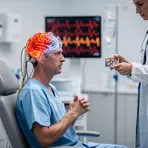
A brain condition that causes repeated seizures in the side of the brain, often with memory loss and strange movements
- Archaic

 1
7.8
1
7.8
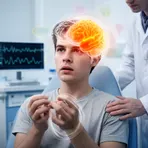
A brain condition that causes brief loss of awareness, memory gaps, and automatic movements or strange sensations

- Specialized
Seizures that start in one small part of the brain and cause a limb to twitch or strange sensations

- Specialized
An illness where a person suddenly cannot move for a short time during a seizure

- Specialized
A condition where seizures start in one part of the brain and cause local symptoms like twitching or strange feelings
- Specialized
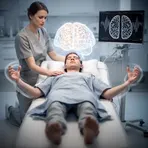
A condition where seizures affect both sides of the brain causing loss of consciousness and whole body jerks

- Specialized
Severe seizures that make a person lose consciousness and have strong body jerks
- Specialized
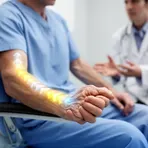
Seizures that start in one part of a limb and move along the same limb

- Specialized
A condition causing sudden brief muscle jerks and gradual loss of thinking ability, often passed from parents


- Specialized
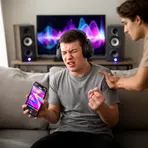
A condition that causes seizures when you see flashing lights or hear loud sounds

- Archaic
Short episodes when a person briefly stops responding and stares, often without shaking

- Specialized
A condition that makes people have seizures when they see flashing lights

- Specialized
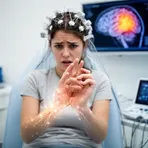
A condition in which seizures start after a head injury and happen again
- Specialized
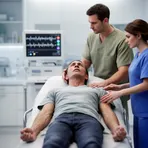
A condition where seizures begin with feelings like numbness or tingling

How Severe

Surface Forms
Etymology
Epilepsy comes from Greek parts epi- 'upon' and lambanein 'to take', so it originally meant 'to be taken' suddenly. That's why epilepsy now names the condition when someone has sudden seizures or fits.