
epichlorohydrin
- noun
- /ˌɛpɪˌklɔroʊˈhaɪdrɪn/
- Specialized
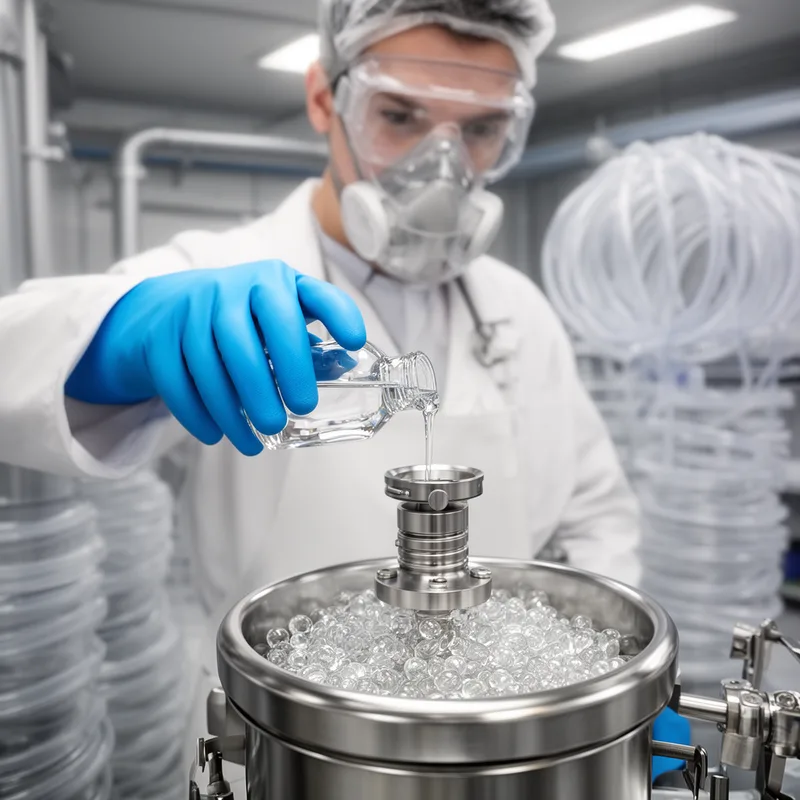
- Workers must wear protective gear when handling epichlorohydrin in the lab.
Examples
-
The factory uses epichlorohydrin as a key ingredient in the production of synthetic resins.
-
Exposure to epichlorohydrin can cause serious health problems if proper safety measures are not followed.
-
The chemical epichlorohydrin is used in many industrial applications.
-
I bought some epichlorohydrins for my research.
-
Workers must wear protective gear when handling epichlorohydrin in the lab.
-
Exposure to epichlorohydrin can cause serious health problems if proper safety measures are not followed.
-
The factory uses epichlorohydrin as a key ingredient in the production of synthetic resins.
Surface Forms
Morphology
epichlorohydrin = chlorohydrin (opaque) = epi + chlorohydrin
A technical chemical formation using the combining form 'epi-' is not meaningful to an average B1 learner, so the compound's meaning is not inferable from its parts.
Etymology
Epichlorohydrin breaks into clear parts: epi- means 'on' or 'attached', chloro means 'chlorine', and hydrin is related to hydro as in hydrogen, which links to 'water' or 'hydrogen'. So the name is a simple chemical label saying this is a chlorine-containing molecule, which helps explain why epichlorohydrin is a specific liquid used to make plastics and must be handled carefully because it is toxic.

