
epicarpal
- adjective
- /ˌɛpɪˈkɑrpəl/
- Specialized
- The epicarpal tissue plays a crucial role in protecting the developing fruit.
Examples
-
Researchers examined the epicarpal structure under a microscope to study its wax composition.
-
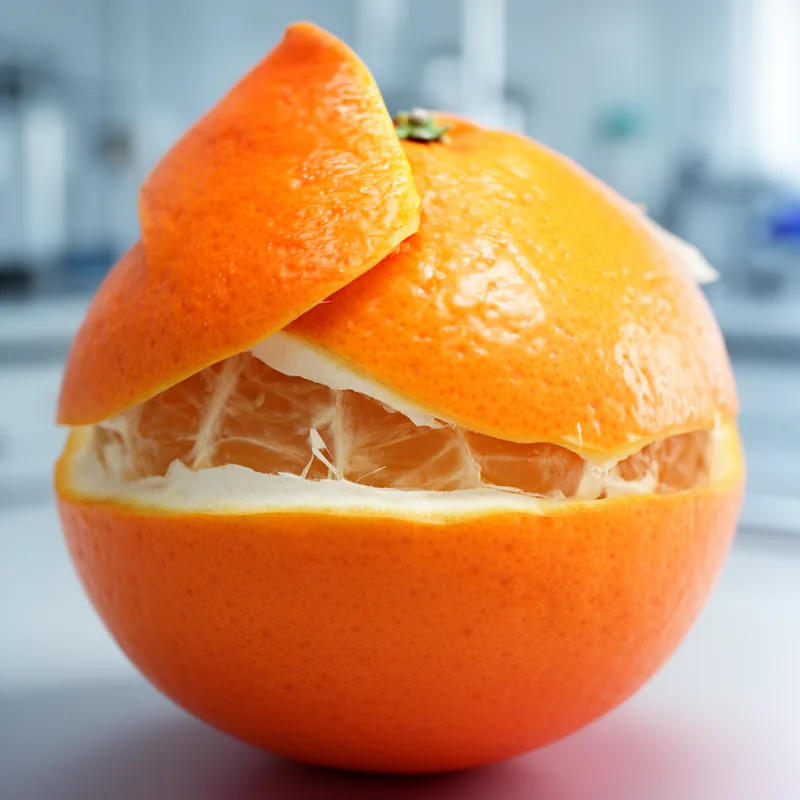
The epicarpal layer of the fruit is often colorful.
-
Certain pests only attack the epicarpal layer of citrus fruits.
-
Many fruits have a thick epicarpal layer for protection.
-
The epicarpal layer of an apple is smooth and shiny.
-
In peaches, the epicarpal skin is fuzzed, giving it a unique texture.
-
During the study, scientists focused on the epicarpal characteristics of various fruit types.
Surface Forms
Morphology
epicarpal = epicarp (semi-transparent) = epi + carp + al
The adjective is formed regularly from the specialized noun 'epicarp' with '-al', but the base term itself is a technical botanical word that many learners may not know.
Etymology
Epicarpal comes from the parts epi- 'on', as in epicenter, and carp 'fruit'. So, epicarpal means something that is 'on' the fruit, for example the outer skin or outer layer of a fruit.

