
eolotropic
- adjective
- /ˌiːəʊləˈtrɒpɪk/
- Specialized
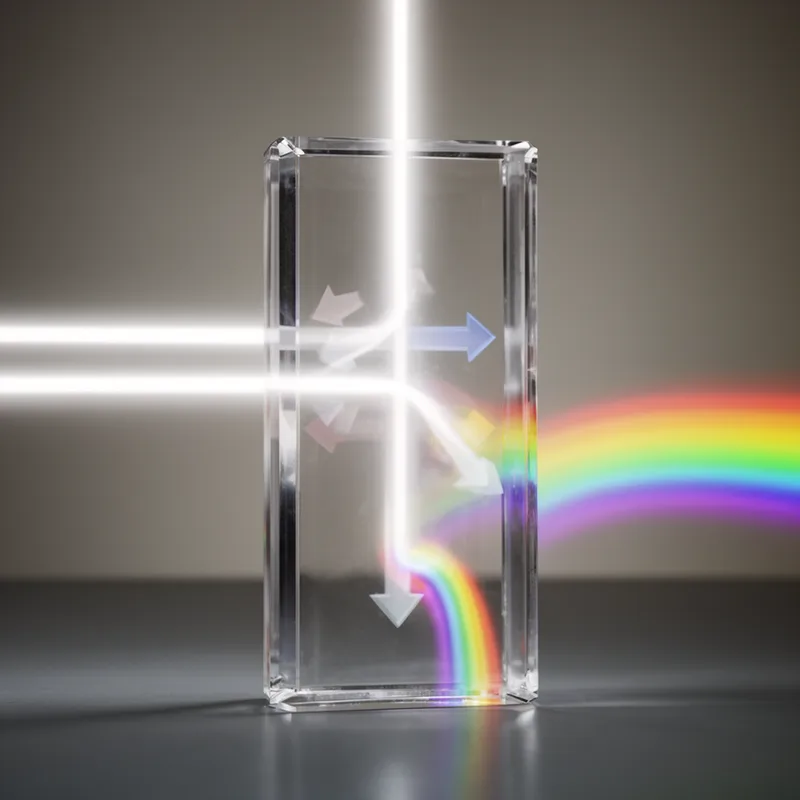
- The crystals were found to be eolotropic, showing different refractive indices along different axes.
Examples
-
Researchers analyzed the eolotropic characteristics to design a more efficient electronic device.
-
The scientist studied the eolotropic properties of the mineral.
-
Because the material is eolotropic, its strength varies depending on the direction of applied force.
-
Many materials exhibit eolotropic behavior under stress.
-
Because the material is eolotropic, its strength varies depending on the direction of applied force.
-
Researchers analyzed the eolotropic characteristics of the material to improve its performance in different applications.
-
The crystals exhibited eolotropic properties, displaying different optical behaviors when observed from various angles.
Synonyms



 1
9.9
1
9.9
A material that has different properties in different directions
How Directional

Surface Forms
Morphology
eolotropic = eolo + trop + ic
Built from Greek combining forms ('eolo-' + 'trop-') plus the adjectival suffix '-ic'; these parts are not standalone English words and the technical directional meaning is not directly inferable by an average B1 learner.
Etymology
Eolotropic has the ending -tropic, from a Greek part that means 'turn', and you also see it in heliotropic, which means 'turning to the sun'. So a eolotropic material 'turns' its properties with direction, meaning its behaviour changes depending on which axis you look along.