
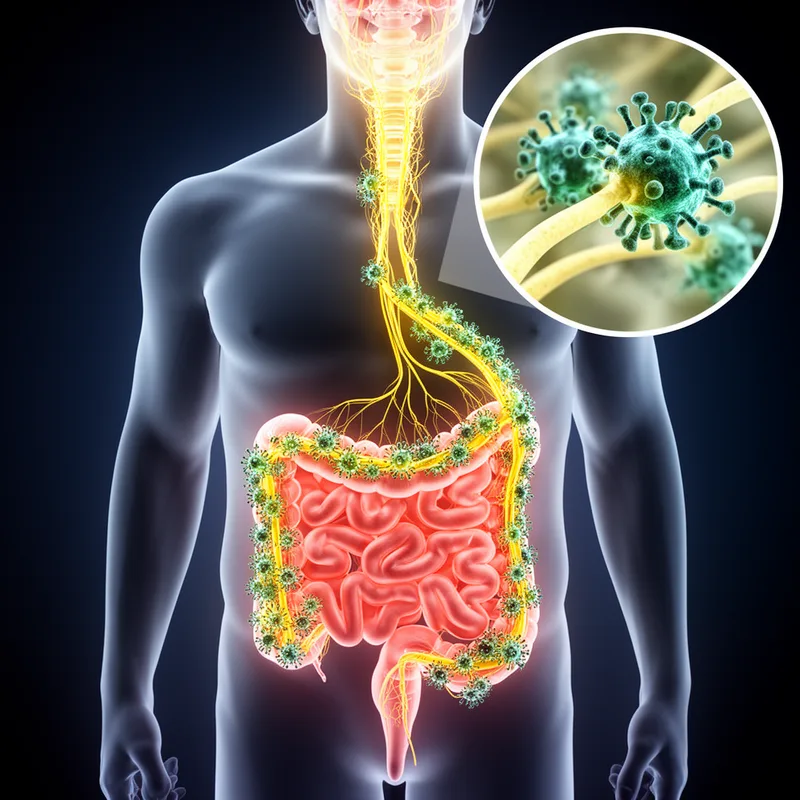
enterovirus
 1
7.7
1
7.7

- noun
- /ˌɛntəˈroʊvaɪrəs/
- Specialized
- We have presented longitudinal data reflecting changing patterns of enterovirus prevalence over a 13-year period in South Korea while explicitly noting the changing laboratory methodology over that period.
- enterovirus infections
- human enterovirus
- enterovirus 71
Examples
-
There are currently 66 enterovirus serotypes that can cause over 20 clinically recognized syndromes (Oberste, Maher, Kilpatrick, & Pallansch, 1999).
Academic text (2002) -
Fecal samples are the most common samples obtained from patients suspected of having enterovirus infections.
Academic text (2013) -
I was reading that last summer they had an outbreak of enterovirus encephalitis.
-
Evaluation of findings from surveillance of enterovirus infections will contribute to the development of prevention and treatment plans.
Academic text (2013) -
Her research interests include diagnosis, epidemiology, and characterization of enterovirus infections.
Academic text (2013) -
Since many enteroviruses are closely related, infection by one enterovirus can result in an apparent serological response to other related viruses.
Academic text (2002) -
A fecal sample collected 2 weeks later yielded positive test results for parechovirus type 3 and negative results for enterovirus and adenovirus.
Academic text (2012) -
For instance, in France and Spain, echovirus 11 and echovirus 6 are the predominant serotypes in patients with enterovirus respiratory infections (2, 3).
Academic text (2012) -
Doctors are studying how enterovirus infections affect the nervous system in children.
-
An outbreak of enterovirus can lead to severe gastrointestinal symptoms and neurological complications.
Synonyms


 1
8.1
1
8.1
A very small virus that can cause diseases like polio or the common cold
Surface Forms
Morphology
Etymology
Enterovirus comes from entero- which means 'intestine' and virus which means 'poison' or 'germ'. So an enterovirus is a virus that lives in the gut and often starts in the intestines before it spreads to other parts of the body.