
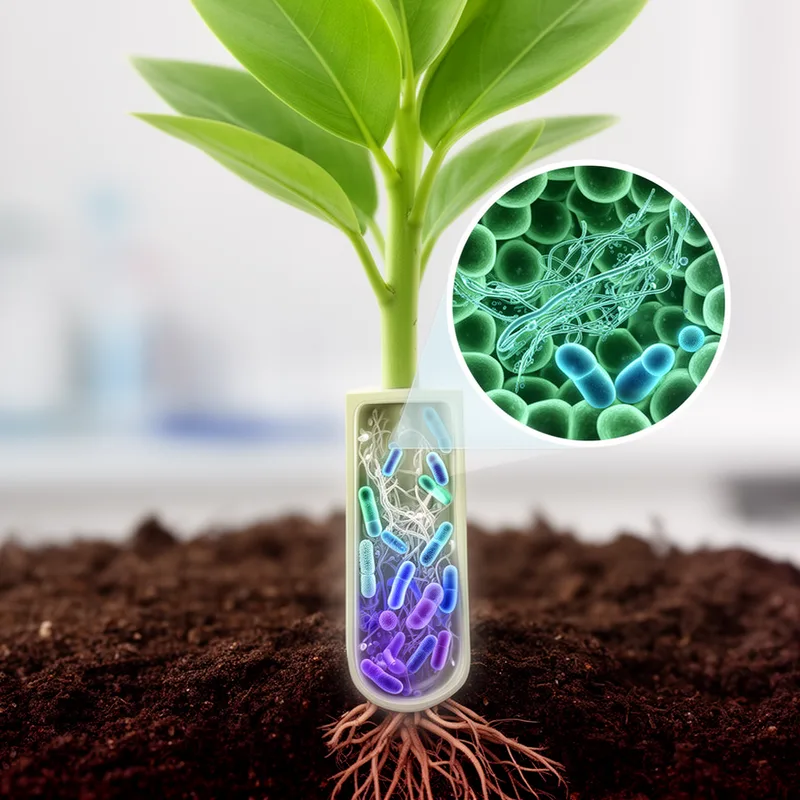
endophytic


 1
9.9
- adjective
- /ˌɛndəˈfɪtɪk/
- Specialized
- However, some of the best sources of nitrogen for crops and other plants are nitrogen-fixing plants and obligate endophytic diazotroph bacteria (Dobereiner 1995).
Examples
-
(d) Unidentified endophytic fungus growing along the surface and into the stomata of a redwood needle.
Academic text (2008) -
However, one study indicated that long-term survival might be positively correlated with gross nodular morphology, while an endophytic presentation was uniformly fatal within two years.
Academic text (2006) -
For symbiotic fungi (i.e., mycorrhizal and endophytic species), determining to what extent the outcome of the competition influences host performance is also an important future direction of study.
Academic text (2008) -
The research focused on the effects of endophytic fungi on plant growth in agricultural settings.
-
Many plants form beneficial relationships with endophytic microorganisms that help them absorb nutrients.
-
Scientists are discovering how endophytic bacteria can protect plants from certain diseases.
How Internal

Surface Forms
Morphology
endophytic = endophyte (semi-transparent) = endo + phyte + ic
The adjective is formed regularly from the noun 'endophyte' by adding the adjectival suffix '-ic'.
Etymology
Endophytic comes from Greek parts endo- meaning 'inside' and -phyte meaning 'plant'. The -phyte part also appears in neophyte, which once meant 'new plant' and now means a beginner, so endophytic describes organisms that live 'inside' a plant.