
endolymph
- noun
- /ˈɛndəˌlɪmf/
- Specialized
- In any event, impaired absorption or overproduction of endolymph is presumed to cause endolymphatic hydrops and associated Meniere's symptomatology.
Examples
-
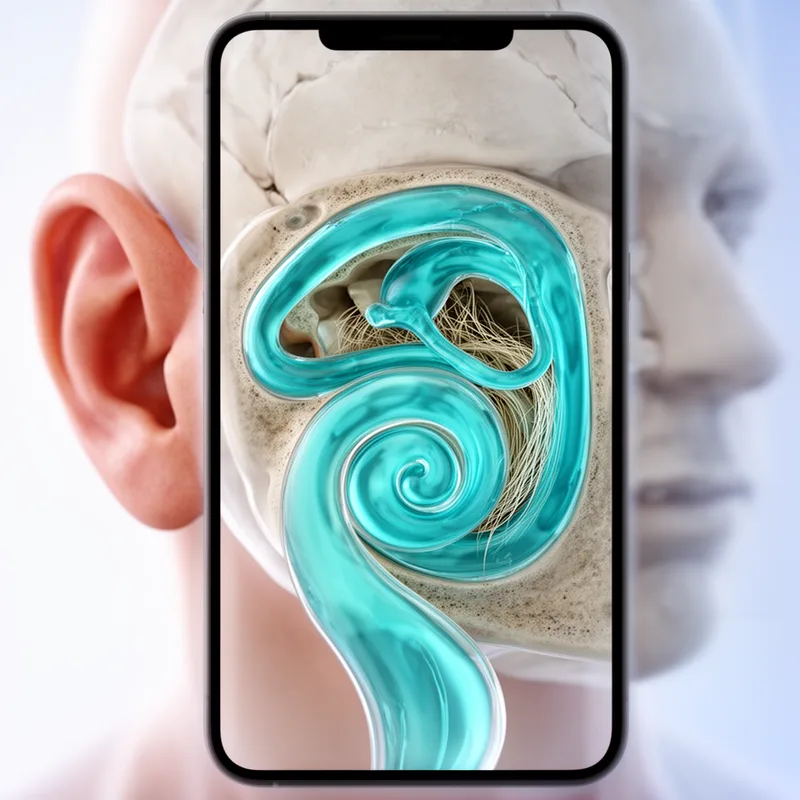
Movement of the endolymph in the semicircular canals, and movement of the otoliths in the case of the maculae, is translated by the hair cells into an electrical impulse.
Academic text (2005) -
The richly vascularized stria vascularis supplies the endolymph with a high K+ concentration (150 mM) and a positive potential of 80 mV.
Academic text (1998) -
This may lead to endolymph movement within the inner ear directed toward the site of dehiscence overlying the superior canal.
Academic text (2009) -
These findings support the concept that any disturbance of longitudinal outflow of endolymph can lead to the development of endolymphatic hydrops and Meniere's symptomatology.
Academic text (2004) -
The effectiveness of the endolymphatic shunt to drain away endolymph is also demonstrated by patients who initially have a good result, but later have a sudden recurrence of symptoms when the tube becomes obstructed.
Academic text (1995) -
Possible etiologies include viral, allergic, genetic, vascular, and nutritional factors; altered glycoprotein metabolism; excessive endolymph production; immune-mediated factors; and combinations of any of the above.
Academic text (2002) -
The endolymph in the inner ear helps maintain balance and is crucial for hearing.
-
Movement of the endolymph stimulates hair cells, which send signals to the brain about sound and orientation.
-
When the endolymph levels are disturbed, it can lead to dizziness and hearing problems.
Surface Forms
Morphology
Etymology
The word endolymph comes from Greek parts endo- meaning 'inside' and lymph meaning 'clear fluid', the same 'lymph' you hear in 'lymph node'. So endolymph is the 'inner fluid' in the ear that helps with hearing and balance.

