
emulsifier
 1
6.8
1
6.8

- noun
- /ɪˈmʌl.sɪ.faɪ.ər/
- Specialized
- The most common emulsifier in our dressings is usually mustard, which helps to mesh the oil and vinegar as the two tend to resist a combination without a bit of assistance.
- soy emulsifier
- emulsifier and stabilizer
- natural emulsifier
Loading YouTube…
Watch on YouTubeThe, the glues, they stick the foods together, the emulsifiers.
- The, the glues, they stick the foods together, the emulsifiers.
- The junk foods also contain emulsifiers like polysorbate and carrageenan and lecithins that degrade the mucin layer.
- And so that means it contains glue like chemicals called emulsifiers, artificial sweeteners.
- We've been along for the ride with all these mouthwashes, surfactants, emulsifiers and toothpaste.
- Another study tested mice and humans with Crohn's disease and other IBD, and at the end of a low emulsifier diet they had fewer IBD symptoms.
- And they, they did see disruption in this study to the microbiome with the consumption of this emulsifier.
- And the this effect of all these extra emulsifiers, these other additives, sometimes it contains some artificial sweeteners.
Examples
-
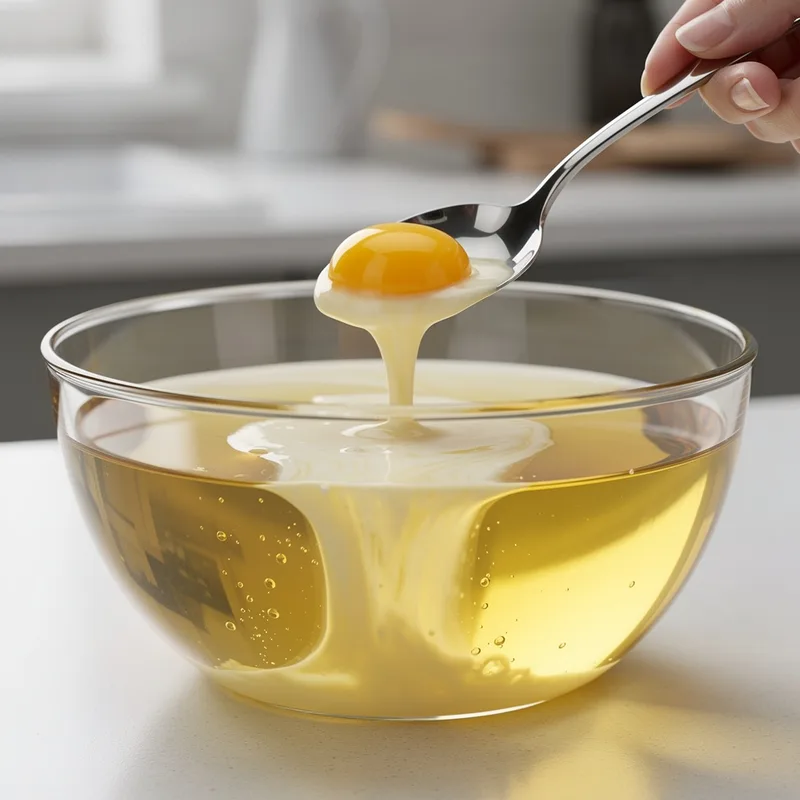
Using an emulsifier like egg yolk ensures that the oil and water in salad dressings do not separate.
-
The junk foods also contain emulsifiers like polysorbate and carrageenan and lecithins that degrade the mucin layer.
-
I'm a little bit afraid of beeswax, but I found that lecithin is a good emulsifier too.
Blog text (23) -
Thickening agents and emulsifiers simulate the texture of ice cream.
-
The ingredients in the Pak Fook brand include selected soybeans, water, sugar, emulsifier, and calcium carbonate.
Academic text (2001) -
In the baking industry, an emulsifier helps combine ingredients like oil and water for smoother dough.
-
Mayonnaise requires an emulsifier to blend the oil and vinegar into a stable mixture.
Antonyms

How Effective
- Specialized
1
6.8

- Specialized
3
8.5
- Specialized
- Specialized
38
3.7
Surface Forms
Morphology
emulsifier = emulsify (transparent) = emuls + ify + er
Regular agentive derivation from the verb 'emulsify' -> 'emulsifier', meaning 'one that emulsifies' is directly predictable.
Etymology
Emulsifier comes from a Latin root emul- that meant 'to milk', so you can think of it like the English word milk. That's why an emulsifier helps oil and water make a smooth, milky mix instead of separating.