
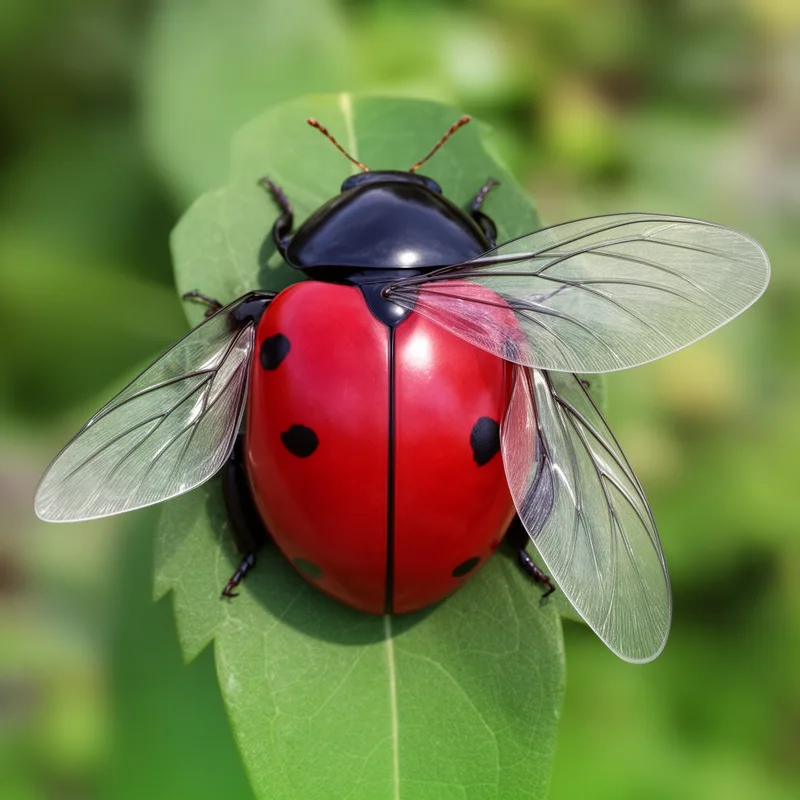
elytron
- noun
- /ˈɛlɪtrən/
- Specialized
- The elytron protects the beetle's delicate wings when it's not flying.
Examples
-
Scientists study the patterns on the elytron to identify different beetle species.
-
During its life cycle, the beetle's elytron must be strong enough to withstand various threats.
-
So, then why are thalli of Chitonomyces paradoxus present on the edge of the left elytron on both males and females?
Blog text (12) -
Thalli of the Ch. paradoxus morphotype are positioned on the edge of the left elytron of both male and female Laccophilus maculosus.
Blog text (12) -
Males are infected at both positions: left posterior claw and edge of left elytron because of the presence of self-infection and "same-sex mounting behavior," which has never been observed in females.
Blog text (12) -
The morphotype that forms a pair with this one, i.e., Chitonomyces paradoxus (also the name for the phylogenetic species), is positioned only at the edge of the left elytron of both males and females.
Blog text (12)
Synonyms
A hard front shell on beetles that protects their thin back wings
Surface Forms
Etymology
The word elytron comes from the Greek elytron, which means 'sheath' or 'cover'. Think of an elytron as a 'sheath' or 'shell' that covers and protects a beetle's delicate back wings, which is why the hard front wings are called elytra.

