
to electrolyze


 1
7.8
1
7.8
- verb
- /ɪˈlɛktrəˌlaɪz/
- Specialized
- Remote wind farms or solar power sites that generate large amounts of electricity could electrolyze hydrogen and store it underground.
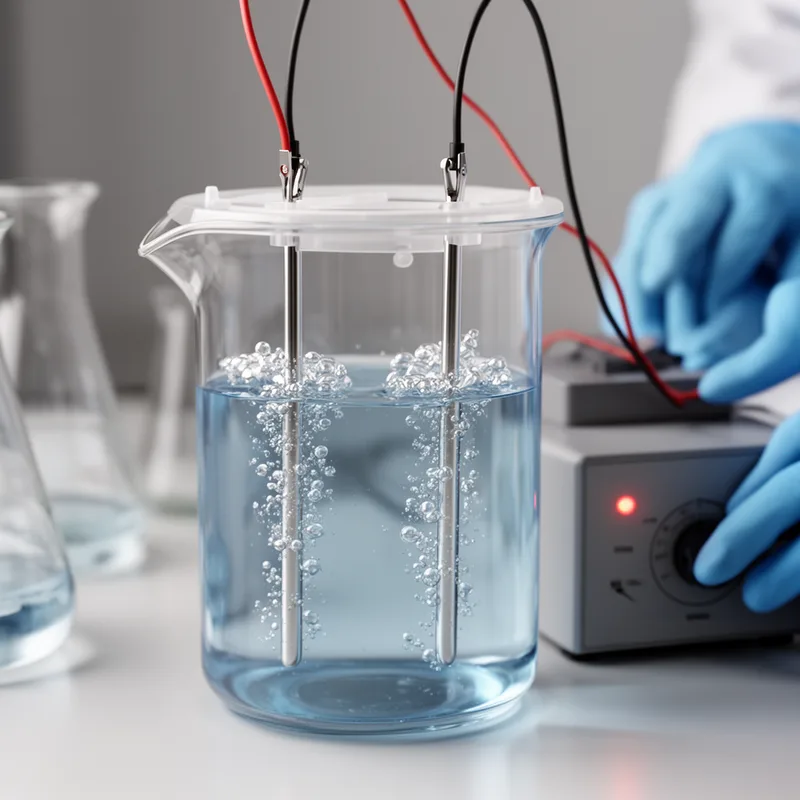
- electrolyze water
Examples
-
These systems electrolyze a stream of seawater and discharge directly into the process flow.
Academic text (1997) -
In the process of electrolysis, a machine can electrolyze saltwater to extract chlorine.
-
And so the the substance that we would most like to be able to electrolyze is water.
-
We take on the water, electrolyze it, and use the hydrogen to run the fuel cells.
Fiction book (1999) -
As the cost of electricity from solar sources falls, it will become economical to electrolyze water, producing hydrogen.
Academic text (1999) -
Such water, now in frozen mud, could be accessed and electrolyzed to produce both oxygen and hydrogen rocket propellants.
Academic text (2006) -
They take carbon dioxide and water vapor from the air, add sodium carbonate, and then electrolyze it so that they're left with carbon dioxide and hydrogen.
Blog text (13) -
Scientists electrolyze water to split it into hydrogen and oxygen gases.
-
To produce hydrogen for fuel cells, engineers electrolyze water using solar energy.
Surface Forms
Morphology
electrolyze = electrolysis (semi-transparent) = electro + lyze
The verb is derived from the noun 'electrolysis' through a learned stem change, and the connection is recoverable for learners familiar with the scientific term.
Etymology
The word electrolyze comes from electro-, from the Greek elektron which means 'amber' and is the old root of electric, and -lyze which is a Greek part meaning 'to break apart'. So to electrolyze something is to 'use electricity to break it apart', which is what scientists do when they split water into hydrogen and oxygen.