

electric refrigerator
- noun
- /ɪˈlɛktrɪk rɪˈfrɪdʒəreɪtər/
- My grandparents had an electric refrigerator, but enough people still had iceboxes to support an icehouse.
Examples
-
The chef relies on the electric refrigerator to keep fresh ingredients cold and safe for cooking.
-
to the new General Motors electric refrigerator.
-
But the modern electric refrigerator was patented in 1914.
Blog text (5) -
Before our picnic, we stored the drinks in the electric refrigerator to ensure they were icy and refreshing.
-
With the introduction of the electric refrigerator, families began to preserve perishable food items for much longer.
Synonyms

 315
1.0
315
1.0

A machine that keeps food and drinks cold and fresh
 288
1.0
288
1.0
A cold box in the kitchen that keeps food and drink fresh
 20
7.9
20
7.9
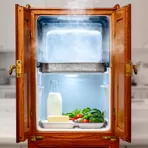
A container that keeps food cold using blocks of ice without power
 14
2.0
14
2.0
A box or small machine that keeps food and drinks cold
 2
6.1
2
6.1
A refrigerator often used to mean any brand of fridge

A short informal name for a fridge that keeps food cold
How Cold

- US
14
2.0
Surface Forms
Morphology
The meaning is directly compositional: 'electric' (using electrical power) modifies 'refrigerator' (a device for preserving food), yielding a refrigerator that runs on electricity. This simple adjective + noun combination follows standard, cross-linguistically common composition patterns and would be readily understood by a B1 learner who knows both words.
Etymology
The compound electric refrigerator comes from the time when homes used an 'icebox' to keep food cold. When people added an electric motor to the refrigerator, it could make cold air without ice, so today electric refrigerator means 'a fridge that runs on electricity'.