

to egest
- verb
- /ɪˈdʒɛst/
- Specialized
- After eating, the snake egests the undigested parts of its prey.
Examples
-
The doctor explained how birds egest seeds they cannot digest.
-
But then it quickly follows that the heap is totally the same: the stones have not ingested, digested, or egested any food—they require no nourishment at all.
Academic text (2016) -
Some animals egest waste that is not suitable for their diet.
Synonyms

 168
4.4
168
4.4

To let waste or a small object leave the body
 81
4.3
81
4.3
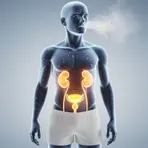
Remove waste or harmful substances from the body
 6
7.0
6
7.0
To remove waste from the body through urine, sweat or breath
Antonyms

Surface Forms
Morphology
egest = egestion (semi-transparent) = e + gest
The verb is a back-formation from the noun 'egestion' (regularly formed by removing '-ion'), but the base elements ('e-' and 'gest') are not productive standalone words for most learners.
Etymology
Egest comes from the parts e- meaning 'out' and gest meaning 'carry', the same root you see in ingest and digest. So to egest is to 'carry out' and push waste 'out' of the body after digestion.