
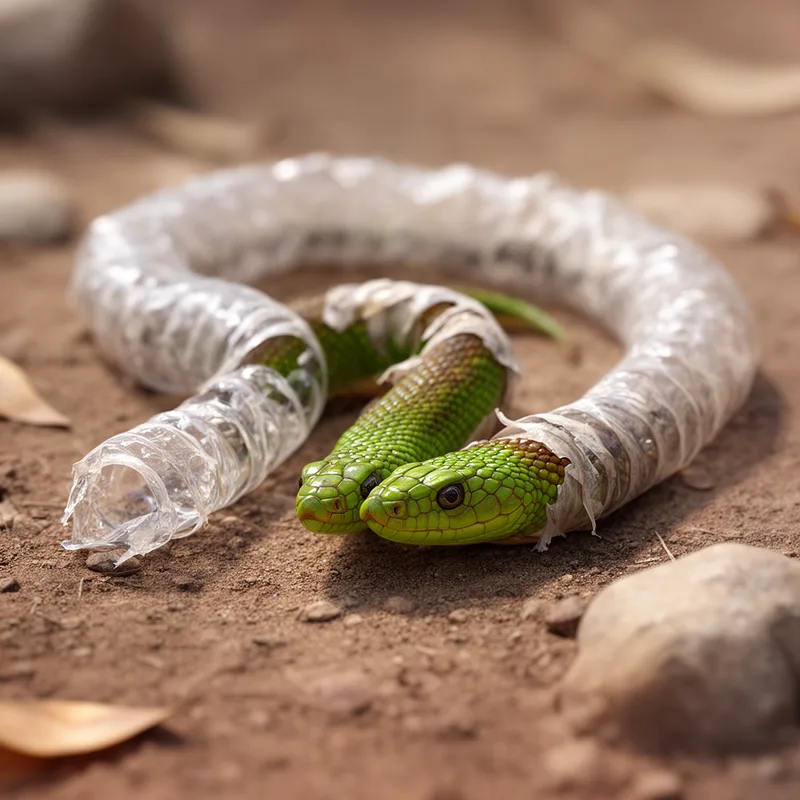
ecdysis
- noun
- /ˈɛkdaɪsɪs/
- Specialized
- The snake undergoes ecdysis every few weeks.
Examples
-
Many species of reptiles experience ecdysis as part of their natural growth cycle.
-
Disorders interfering with ecdysis can cause health issues in reptiles kept in captivity.
-
Molting, or ecdysis, is crucial for an insect’s development to its next life stage.
-
The snake undergoes ecdysis several times a year as it grows.
-
During ecdysis, the lizard's skin becomes cloudy.
-
The insect is undergoing ecdysis, which allows it to grow a new exoskeleton.
-
During ecdysis, a snake sheds its old skin to reveal the new layer underneath.
Synonyms

 3
3.4
3
3.4

Losing hair or leaves naturally from animals and plants
 3
6.7
3
6.7
The act of shedding old feathers, skin, hair, or shell so new ones can grow
 2
6.1
2
6.1
An animal sheds old skin, feathers, or shell to grow
Surface Forms
Etymology
Ecdysis comes from Greek parts ek- 'out' and dysis 'a taking off', just like in the English word 'exit' where the first part means 'out'. So ecdysis is the 'shedding' process when animals like insects or snakes take off their old skin to grow.