

to ebb out
- phrasal verb
- /ɛb aʊt/
- With the fading light, the excitement of the day began to ebb out, leaving a calm atmosphere.
Examples
-
All the vigor is gone, all the life has ebbed out.
Fiction book (1992) -
Slowly, the sound of the music started to ebb out until it was barely audible.
-
As the tide began to ebb out, the beach became visible once more.
Synonyms
 19
5.6
19
5.6

To become less in strength, amount, or feeling
 16
2.9
16
2.9
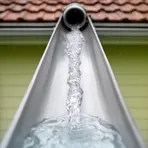
Move or pour out in a steady stream, often a liquid
 14
4.8
14
4.8
Move down to a lower place, for example into a seat or the ground
 1
5.6
1
5.6
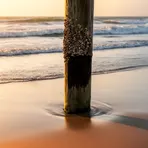
To move back slowly, like water leaving a shore
 1
3.2
1
3.2
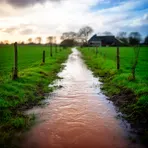
Water moves away slowly in a steady stream
To flow back or become less strong slowly

To move back and become less after rising, especially water like tides
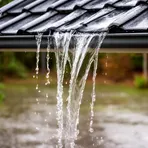
To move away from a surface in a steady stream, like water does
Antonyms

How Much

Surface Forms
Morphology
The meaning 'to flow back or gradually diminish' is directly derivable from 'ebb' (to recede or diminish) combined with 'out' (away/outward); the particle merely specifies direction or extent. This verb+particle composition is a straightforward, cross-linguistically common pattern, so a B1 learner who knows both constituents should understand the MWE.
Etymology
Ebb out comes from the sea. When the tide ebbs it moves away from the shore and goes out, leaving wet sand and shallow water behind, so the phrase now means 'to flow back' or 'to gradually lessen'.