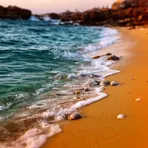
to ebb off

to ebb off

6.5
To flow back or become less strong slowly
  • phrasal verb
  • /ɛb ɔf/
translation icon : disminuir
  • After the storm passed, the floodwaters gradually ebbed off from the fields.

Examples

  • The tide will ebb off soon.

  • Interest in the new product started to ebb off after the initial launch.

  • As the excitement of the game faded, the crowd's energy began to ebb off.

  • The excitement began to ebb off after the initial announcement.

  • After the storm passed, the floodwaters gradually ebbed off from the fields.

  • As the excitement of the game faded, the crowd's energy began to ebb off.

  • Interest in the new product started to ebb off after the initial launch.

Synonyms
to fade
vsto ebb off
531 1.2

To slowly become less visible, bright, or loud

stresses backward movement by flow and gradual retreat rather than only fading
to wear off
vsto ebb off
93 4.0

An effect or feeling that becomes less strong and then stops

highlights backward movement of water or intensity rather than fading effects
to dwindle
vsto ebb off
72 5.1

To become smaller or less in number over time
is more specific about flowing back and gradual receding, not just reduction
to fade away
vsto ebb off
69 3.0

To become weaker and then disappear over time

focuses on flowing back or receding rather than complete disappearance
to fall off
vsto ebb off
49 2.6

Become less in number, amount, or quality
stresses flowing back and gradual return rather than a simple decline
to die down
vsto ebb off
46 2.7

To become less strong or loud over time
emphasises physical flowing back, especially for water, not only intensity change
to recede
vsto ebb off
29 4.8

To move back or become less strong

focuses more on flowing back gradually, especially for tides and strength
to drop off
vsto ebb off
21 3.5

To become less in number or amount
emphasises flowing back and gradual receding rather than general decrease
to ebb
vsto ebb off
19 5.6

To become less in strength, amount, or feeling

keeps the same core meaning but appears in different phrasal forms
to fall away
vsto ebb off
19 4.3

To become less in amount or quality

describes returning by flow or slow receding instead of ordinary decrease
to subside
vsto ebb off
14 4.8

Move down to a lower place, for example into a seat or the ground

highlights gradual flowing back and loss of strength rather than sinking after disturbance
to ease off
vsto ebb off
9 4.0

To become gradually less strong or severe

suggests flowing back gradually, particularly for tides and force rather than easing pressure
to peter out
vsto ebb off
9 5.6

To slowly become weaker and then stop
shows gradual receding or flowing back without implying final ending
to taper off
vsto ebb off
9 4.5

To become smaller or weaker over time until it stops
describes gradual flowing back by retreat rather than stopping completely
to fizzle out
vsto ebb off
  • Informal
8 5.3

To gradually lose energy or interest and end weakly

describes gradual retreat or flow back without negative or disappointing end
to drop away
vsto ebb off
2 3.3

To become less over time

focuses on retreating by flow and returning to previous level rather than falling generally
to ebb away
vsto ebb off
1 5.6

To move back slowly, like water leaving a shore
is the same idea but expressed with another particle form
to dwindle away
vsto ebb off
1 4.6

Slowly get smaller in number or amount until nothing remains

focuses on receding flow and lessening rather than complete disappearance
tapering off
vsto ebb off
1 5.5

Becoming smaller or less over time until almost gone

emphasises flowing back and movement rather than mere reduction to near nothing
to ebb out
vsto ebb off
5.6

Move back, like a tide, or become less strong over time
is the same sense but uses a different particle or phrasing
to ebb down
vsto ebb off
6.8

To move back and become less after rising, especially water like tides
is identical in meaning but differs only in particle choice
to flow off
vsto ebb off
3.2

To move away from a surface in a steady stream, like water does

emphasises flowing back in tides and falling intensity rather than steady runoff

Antonyms

713 1.0

A rise that happens over time and makes something larger

110 4.0

Make something stronger or more intense

How Much

to fade
531 1.2
to ebb off
6.5
to recede
29 4.8
to lessen
34 2.8

Surface Forms

ebb off infinitive
ebbed off past
ebbed off past participle
ebbing off present participle
ebbs off third person singular

Morphology

ebb + off

The meaning 'to decrease or recede' is directly derivable from combining 'ebb' (to decrease/recede) with the particle 'off', which adds a sense of moving away or diminishing. This verb+particle composition is a transparent, compositional pattern that a B1 learner who knows both constituents would readily understand.

Etymology

Ebb off comes from the sea: the word ebb means the tide moving away and off adds the idea of going back from the shore. So when something ebbs off it slowly gets smaller or moves away, which is why it means 'to decrease'.