

to disport
 1
9.6
1
9.6

- verb
- /dɪsˈpɔrt/
- Archaic
- From one end of the long hedge to the other, garishly painted ceramic elves disported themselves in various pursuits, from carving pumpkins to playing cards on a toadstool.
Examples
-
Everywhere, insects are disporting themselves—a multi-species love-in that's like an insect version of Woodstock.
Fiction book (1998) -
While children disport themselves at the park, their parents enjoy a picnic nearby.
-
The queen disports herself with a Spaniard!
-
For a long time, Donna disported herself in the air of her bedroom, the light from the window gilding her mirrored reflection.
Fiction book (1990) -
"I had to laugh, picturing Stuart and me in a red enamel tub, disporting ourselves among the suds."
Fiction book (1999) -
These dragons reminded me of the whales I had seen disporting along the seacoast—huge, silent, joyous.
Fiction book (1993) -
They spent the afternoon disporting themselves on the beach, playing frisbee and swimming in the sea.
-
The dancers disported themselves on stage, captivating the audience with their lively movements.
Synonyms
 ∞
1.0
∞
1.0
Take part in a game or sport for fun
 217
1.1
217
1.1
To play and move quickly in different directions while making noise
 153
1.4
153
1.4
To make someone laugh or enjoy themselves
 47
3.4
47
3.4
To try something in a casual playful way without being serious
 46
3.6
46
3.6
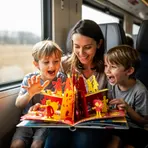
Act in a silly, playful way instead of working
 41
4.7
41
4.7
To keep someone pleasantly occupied by giving them something fun
 39
2.7
39
2.7
To play or move around in a lively, cheerful way
 31
6.5
31
6.5
Enjoy yourself a lot
 12
7.7
12
7.7
To jump and move around in a playful, excited way
 8
3.3
8
3.3
To play and move about happily
 8
2.8
8
2.8
To run and play in a lively, energetic way
 4
7.3
4
7.3
To play and move in a loud, happy way
 3
4.4
3
4.4
To move in a happy, lively way, often by jumping or skipping
 2
7.4
2
7.4
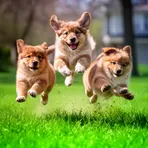
To play in a lively, carefree way
 1
8.0
1
8.0
To run or jump playfully with a lot of energy


 1
8.1
1
8.1
To play and joke in a silly way and sometimes cause trouble

To play and run around in a lively carefree way
How Playful

Surface Forms
Etymology
Disport comes from Old French parts de- 'away' and porter 'to carry', and it shares the 'carry' root with familiar words like transport. Think of being 'carried away' into fun — that's why to disport is to amuse yourself by playing or acting lively.