

discoidal
- adjective
- /dɪsˈkɔɪdəl/
- Some tablets are manufactured in a discoidal form for easy swallowing.
Examples
-
The fossil showed a discoidal imprint on the ancient rock surface.
-
The discoidal shape of the coin made it easy to stack.
-
The scientist observed discoidal red blood cells under the microscope.
-
She admired the discoidal patterns on the pottery.
-
The scientist observed discoidal red blood cells under the microscope.
-
Some tablets are manufactured in a discoidal form for easy swallowing.
-
She admired the discoidal patterns on the pottery.
Synonyms

 1
3.8
1
3.8

Having a flat, round shape like a coin

A flat, circular shape like a coin or small plate

Having a flat, round shape like a coin

Shaped like a flat round or oval disc
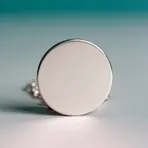
A shape that is round like a disk
How Flat


Surface Forms
Morphology
discoidal = discoid (transparent) = disc + oid + al
The meaning is directly derived from the adjective 'discoid' (disc-shaped) with a regular adjectival suffix '-al', so the shape-based sense is clear.
Etymology
Discoidal comes from disc, which means 'a flat, round shape' and is like the everyday word 'disk', and the ending -oid means 'like' or 'shape of'. So discoidal simply means 'shaped like a disc', which is why we use it for flat, round things such as tablets, fossils, or some blood cells.