
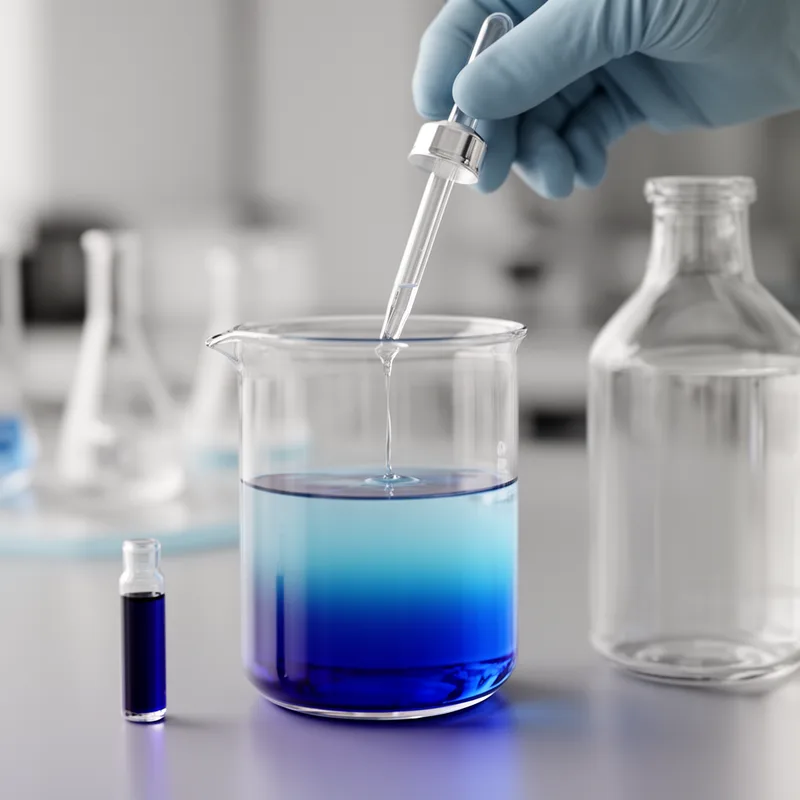
diluent
 1
9.0
1
9.0

- noun
- /ˈdɪljuənt/
- Specialized
- In laboratory experiments, the chemist carefully measured the diluent to achieve the desired reaction.
Examples
-
To prepare the vaccine, first mix the powder with the diluent, ensuring a smooth consistency.
-
Interestingly, the geographic origin of the diluent is highly important, Scotland and Kentucky being the optimal sources.
Blog text (14) -
The glass thread design allows for fast mating of the drug vial with the diluent bag, usually in one full turn.
Academic text (1995) -
The order in which capsaicin or diluent was given was randomised, and observers were blind as to which substance had been inhaled.
Academic text (1992) -
In cases when no material was obtained initially, 2 to 5 ml of sterile diluent was injected into the sinus and aspirated.
Academic text (2003) -
The diluent (i.e., 10 ml 10% ethanol in 0.9% saline) was used as a placebo.
Academic text (1992) -
Negative controls were incubated with either goat IgG (sc-2028; Santa Cruz), at the same concentration as the target antibody, or with no antibody (diluent only).
Blog text (26) -
He added a small amount of diluent to the solution to make it less concentrated.
Synonyms

A substance added to another to make it less strong, like water
A substance added to something to make it less strong
How Diluted


Surface Forms
Morphology
Etymology
Diluent comes from the Latin root dilu- meaning 'to wash apart' or 'make weaker', and you can see the same idea in the word dilute. So a diluent is a substance you add to another to 'wash away' its strength or make it weaker, like water added to medicine or chemicals.