
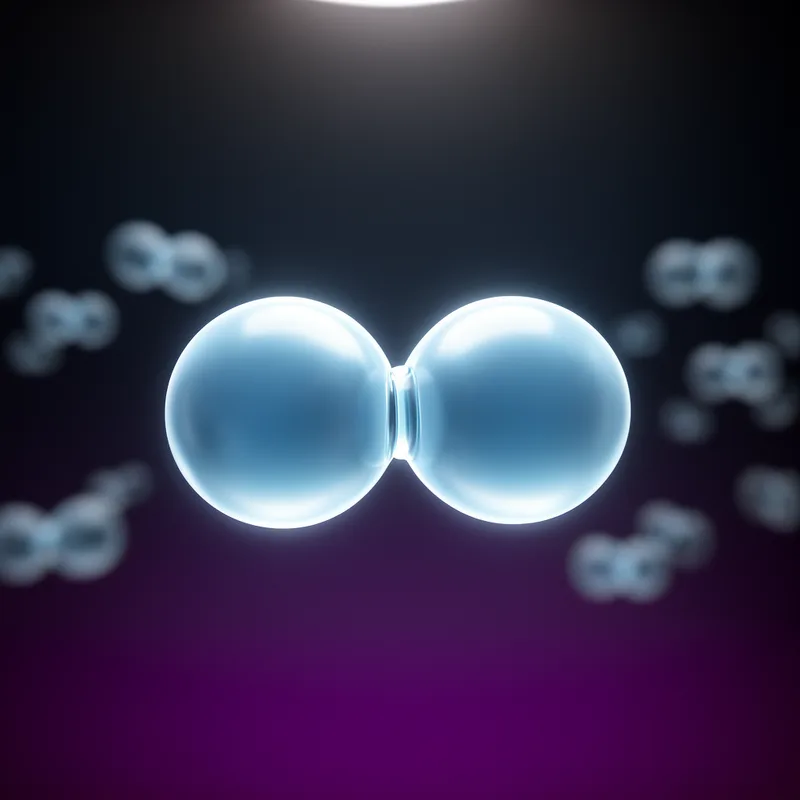
dihydrogen
 1
6.7

- noun
- /daɪˈhaɪdrədʒən/
- Specialized
- Every molecule of dihydrogen consists of two hydrogen atoms chemically bonded together.
Examples
-
The chemical formula for dihydrogen is represented as H₂.
-
Dihydrogen, commonly known as dihydrogen gas, is crucial for various industrial processes.
-
By the way, can you please help ban the dangerous chemical Dihydrogen Monoxide?
Blog text (29) -
Or even worse, the dihydrogen monoxide used to dissolve it?
Blog text (1) -
Did you know most non-organic foods are chock-full of dihydrogen oxide?
Blog text (11) -
Sneak significant restrictions on dihydrogen monoxide into the next 2000-page law to come along and see what the EPA can do with that.
Blog text (34) -
Aw well, would anybody be interested in signing my petition to ban dihydrogen oxide as it is the "greenhouse" gas that has truly gone unnoticed by my "the sky is falling" colleagues?
Blog text (13) -
Just to point out the importance of university research, Cal grad students have demonstrated that dihydrogen monoxide can be fixed in crystalline form at low temperatures, in a "bath" of ethyl alcohol and associated moderating fluids.
Blog text (26)
Surface Forms
Morphology
Etymology
Dihydrogen as a molecule is written H₂, and the name shows its origin: di- 'two' plus hydrogen from hydro- 'water' and -gen 'maker'. That's why dihydrogen is two hydrogen atoms joined together and why burning hydrogen can form water.