
diacetate


 1
8.2
- noun
- /ˌdaɪəˈsɛteɪt/
- Specialized
- The laboratory demonstrated that fluorescein diacetate could be used to assess the viability of soil microorganisms.
Examples
-
Teijin, a Japanese textile company, recently announced that it has developed a new manufacturing technology for a biodegradable expanded cellulose diacetate material produced from natural wood pulp that could replace expanded polystyrene (EPS) packaging.
Academic text (1998) -
The rate of hydrolysis of fluorescein diacetate defines this property of composts and amended soils.
Academic text (2000) -
So they use the diacetate of this molecule.
-
Teijin has developed a biodegradable expanded cellulose diacetate material that can replace traditional plastic packaging.
-
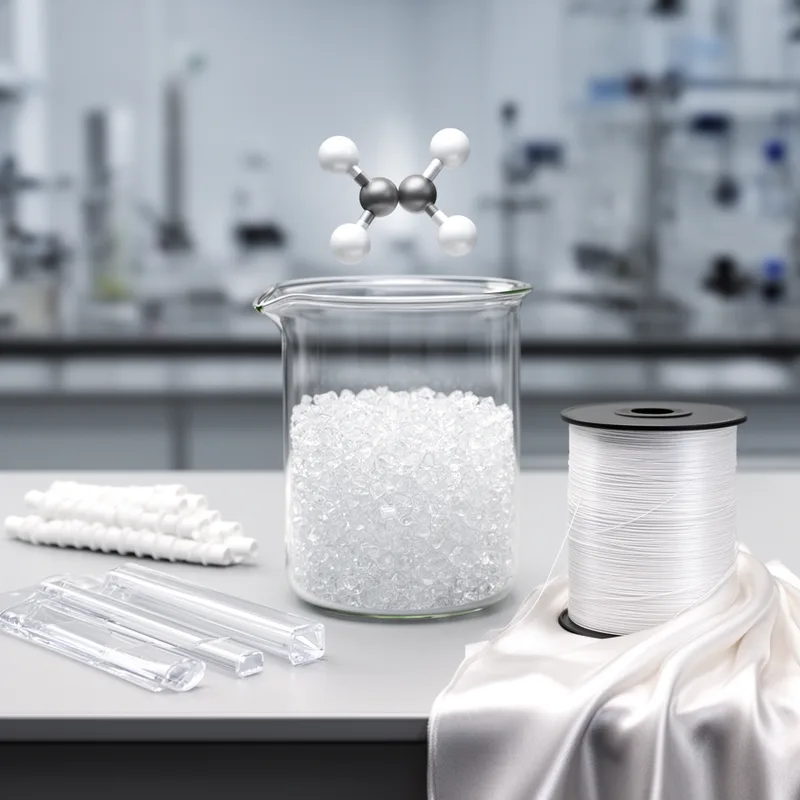
Many manufacturers choose diacetate for its excellent properties in producing durable textile fibers.
Surface Forms
Morphology
Etymology
Diacetate comes from the prefix di- meaning 'two' and acetate, a chemical word linked to 'vinegar'. So a diacetate is a compound 'having two acetate groups', and these chemicals are often used to make plastics and some textile fibers.