

depressor muscle
- noun
- /dɪˈprɛsər ˈmʌsəl/
- Specialized
- The doctor explained that the depressor muscle pulls the corners of the mouth down during a frown.
Examples
-
A surgeon identified the depressor muscle responsible for moving the lower lip downward.
-
The depressor muscle in the jaw helps open the mouth during eating.
-
Damage to the depressor muscle can affect facial expressions.
-
The depressor muscle is essential for facial expressions.
-
She trained her depressor muscles to improve her posture.
-
If the depressor muscle is weak, it may cause difficulties in forming certain facial expressions.
-
The function of the depressor muscle is vital for lowering the lower lip when speaking.
Synonyms


 1
7.7
1
7.7
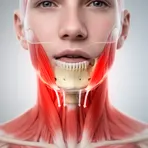
A muscle that pulls a body part down, for example the jaw
Surface Forms
Morphology
The meaning is transparently built from its parts: 'depressor' denotes something that draws a part downward and 'muscle' denotes body tissue that produces movement, so together they describe a muscle that pulls a body part downward. This follows regular English/medical composition patterns and would be clear to a B1 learner who knows both constituent words.
Etymology
The name depressor muscle comes from the simple picture of a muscle that pulls something down: depressor means 'pull down' and muscle is the body part that makes movement. So a depressor muscle is a muscle that pulls a part of the body downward, which is why the term is used for muscles that lower the lip, jaw, or other parts.