

to default
 55
6.7
55
6.7

- verb
- /dɪˈfɔlt/
- Specialized
- Firms have evaded taxes, defaulted on bank loans, and failed to pay their suppliers and employees.
- default on a loan
- borrowers default
- default on debts
Loading YouTube…
Watch on YouTubeAnd so ultimately, you have to default to avoid hyperinflation.
- And so ultimately, you have to default to avoid hyperinflation.
- But when companies start defaulting, their lenders will suffer big losses.
- OK, So what does it look like when we default?
- Real estate lenders are afraid of defaulting real estate.
Examples
-
In particular, when a buyer defaults on payments.
-
Do you know what happens when you default on a loan?
-
We'll take it over should you default.
-
Tenants who lost their jobs or capital had to either sell or default on their apartments.
Academic text (2004) -
The country was on the verge of defaulting on its international commitments.
Academic text (1994) -
The difference is when a big borrower defaults, that's when the bailouts begin, right?
-
If you default on your loan payments, you may face serious financial consequences.
-
The bank warned her that she could default if she didn't start making payments soon.
-
He was stressed about the possibility of defaulting on his student loans after losing his job.
Synonyms
 28
6.6
28
6.6
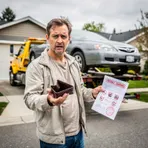
Fail to pay money you owe on a loan or debt when required
Antonyms


Phrasal Verbs
Compounds
- Formal
3
7.4
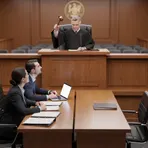
An order by a court that gives the plaintiff the case when the defendant does not respond or appear


- Formal
A court decision for one side when the other side does not appear or reply
How Serious
- Formal

 1
5.4
1
5.4

- Specialized
55
6.7
Surface Forms
Etymology
Default comes from old words that mean 'to fail' or 'fall short' and is like the simple word fault. So to default on a loan is to 'fail' to pay what you owe.