
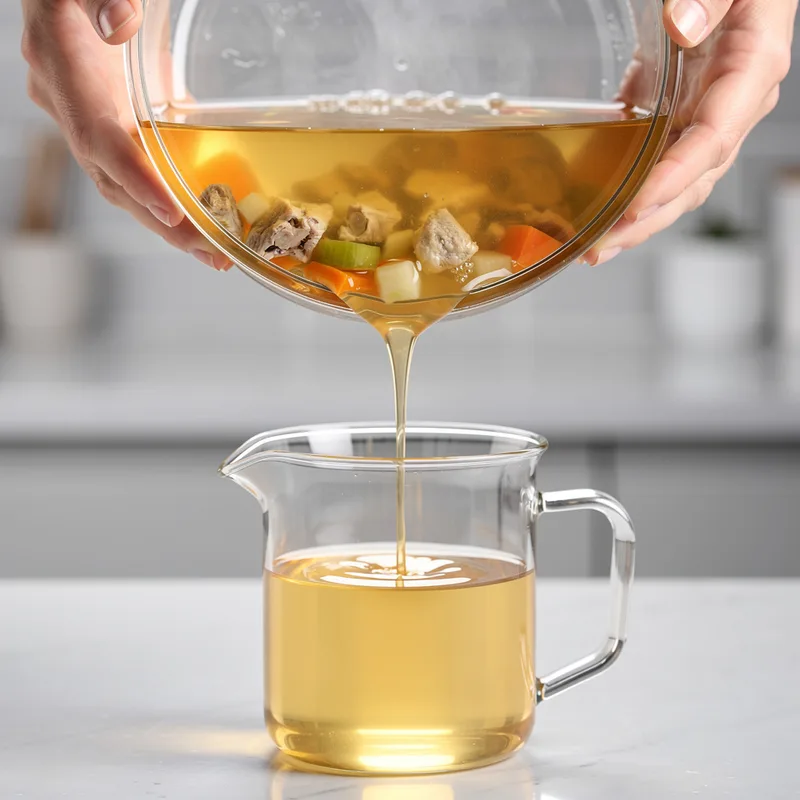
to decant
 5
6.3
5
6.3

- verb
- /dɪˈkænt/
- Corwyn turned, nodded to me, then resumed his work: decanting a sharp-smelling purple liquid into a paste of musky herbs.
Loading YouTube…
Watch on YouTubeListen, this is not, we're not, we don't have lineage like going back to Poland and decanted wine.
- Listen, this is not, we're not, we don't have lineage like going back to Poland and decanted wine.
Examples
-
As soon as it's cool enough to decant into your serving dish without breaking it, do so.
Blog text (4) -
When she finished decanting it, she had four crockery jugs of the pale gold liquid.
Fiction book (2002) -
Should we decant a liter or two, have it with dinner?
Fiction book (1993) -
It'll take us a few hours to get them decanted... but you guys can take them out tomorrow.
-
After that, the resin was allowed to settle, and the supernatant was decanted to waste.
Academic text (2018) -
The Master asked me to decant a bottle ofthe '99 Tokay for you, Lord Asriel.
-
The waiter skillfully decanted the bottle of red wine to enhance its flavor.
-
She decided to decant the whiskey to remove the sediment before serving it.
-
At the dinner party, he carefully decanted the sparkling water into new glasses.
Synonyms
 1
9.4
1
9.4
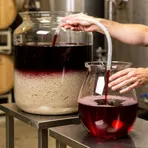
To pour wine away from the solids at the bottom into another container

 1
7.5
1
7.5
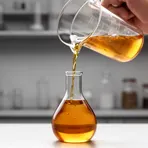
To pour liquid from one container into another
How Carefully

Surface Forms
Etymology
Decant comes from an old prefix de- meaning 'away' and a root that once meant a 'cup' or 'container', so it originally meant to 'pour off' from a cup. That's why to decant is to pour liquid into another container, often to leave the sediment behind.