
decalescent
- adjective
- /ˌdɛkəˈlɛsənt/
- Specialized
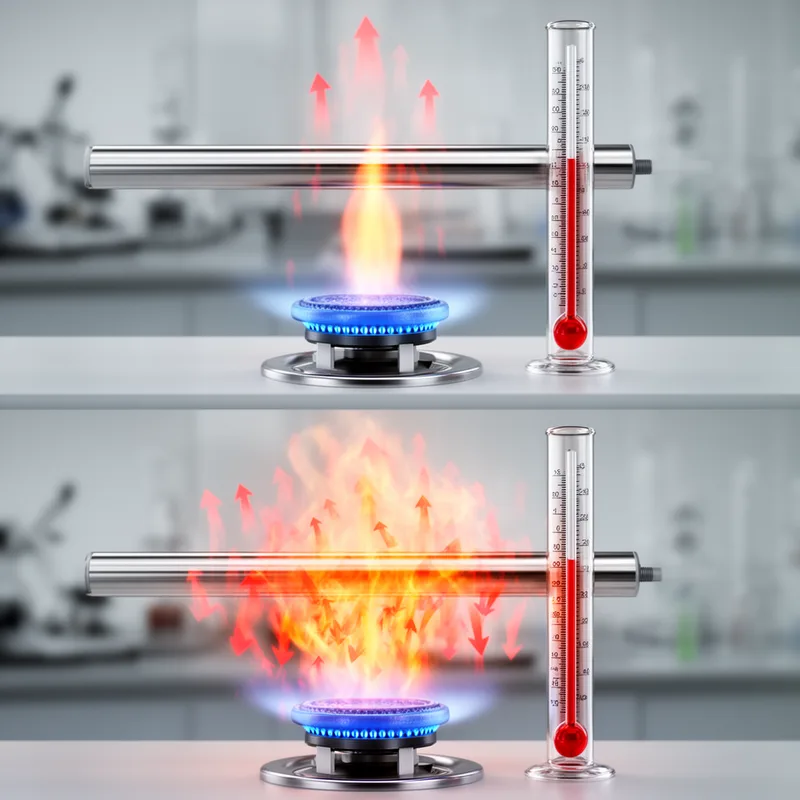
- At the decalescent point, steel absorbs heat but its temperature does not increase.
Examples
-
The engineer monitored the decalescent behavior of the alloy during heating.
-
Some metals exhibit a decalescent property during certain phase changes.
-
The metal exhibited decalescent behavior during the heating process.
-
Is the alloy decalescent at high temperatures?
-
At the decalescent point, steel absorbs heat but its temperature does not increase.
-
Some metals exhibit a decalescent property when heated, allowing them to absorb additional energy without rising in temperature.
-
The engineer observed the decalescent phase of the metal as it reached its critical temperature during the experiment.
Surface Forms
Morphology
decalescent = calescent (opaque) = de + calescent
The base 'calescent' and the combining elements are rare Latin-derived technical morphemes unlikely to be recognizable to an average B1 learner, so the relation is not readily inferable.
Etymology
Decalescent comes from the Latin root cal meaning 'warm', the same root you see in calorie, together with the prefix de- which shows a change. So a helpful way to remember decalescent is to think of a material that keeps absorbing heat but whose temperature does not rise.

