

deathday


 1
7.7
1
7.7
- noun
- /ˈdɛθdeɪ/
- On her deathday, we honored her memory by sharing stories about her life.
- deathday information
Examples
-
My deathday was July 18th.
Fiction book (2001) -
People depend on the accuracy of the deathday information to plan their lives.
Fiction book (2001) -
My deathday is July 18th.
Fiction book (2001) -
I entered the deathday data into my computer by hand, and then wandered into the kitchen to get some coffee and think.
Fiction book (2001) -
So he recruited Chuang and Krauss to see if it would be possible for them to die on a day other than their deathdays.
Fiction book (2001) -
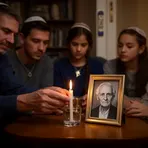
My grandfather's deathday is remembered each year with a family gathering.
-
Every July 18th, we commemorate my father's deathday with a small ceremony.
Synonyms
 3
4.1
3
4.1
A day to remember and honor people or events from the past
 1
9.9
1
9.9
A yearly day to remember someone who died in the Jewish tradition, often by lighting a candle
Antonyms

Surface Forms
Morphology
Etymology
Deathday is made from death 'the end of life' and day 'a day'. Think of it like the opposite of a birthday: it means the day someone died or the day each year when family remember them.