
deamination
- noun
- /ˌdiːəˈmɪneɪʃən/
- Specialized
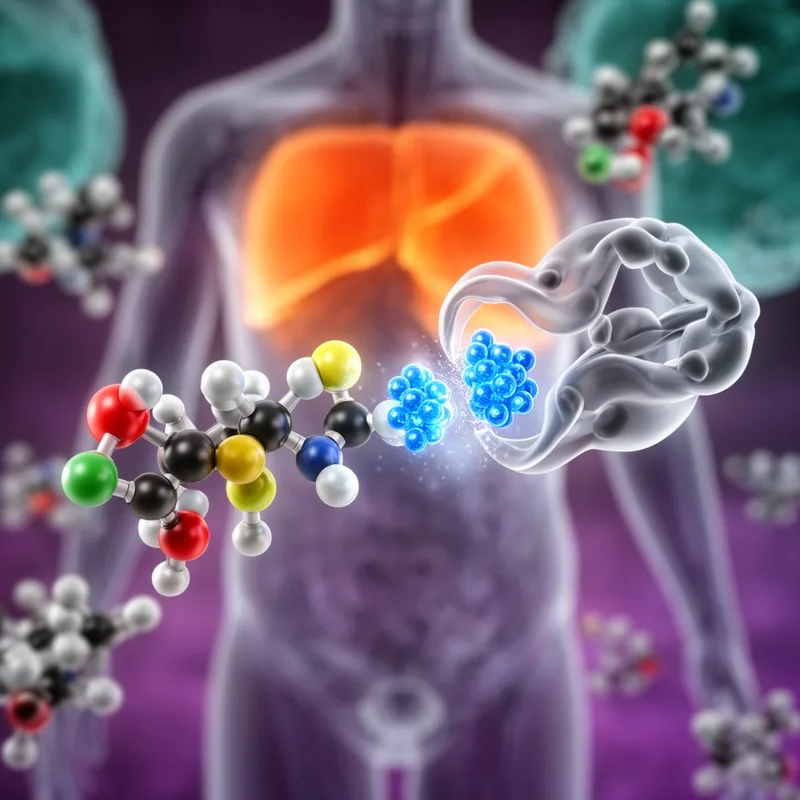
- Deamination is a crucial step in the metabolism of amino acids, removing the amino group to facilitate further biochemical reactions.
Examples
-
There is some chemistry for example that will convert cytosine to uracil called a deamination mechanism.
-
The biological background of the mutational processes in diverse cancer types has been revealed by recent studies, such as APOBEC-induced deamination, deamination of methylated cytosine, tobacco and alcohol exposure, and so on 8-10.
Academic text (2018) -
If they see a uracil that can come from a deamination of the cytosine, so it gets taken out of the DNA, it shouldn't be in DNA.
-
Direct measurement of intracellular ammonium is technically difficult because of the possible deamination of amino acids during extraction and analysis.
Academic text (1993) -
Aside from this obvious example of cytosine deamination, the association between the context effects and their causative mutagenic processes is poor, limiting our ability to comment further.
Blog text (25) -
The biological background of the mutational processes in diverse cancer types has been revealed by recent studies, such as APOBEC-induced deamination, deamination of methylated cytosine, tobacco and alcohol exposure, and so on 8-10.
Academic text (2018) -
Deamination of C to U, and the reverse process (U → C amination), occur in several plant mitochondrial mRNA transcripts as well.
Academic text (1996) -
In cellular processes, the deamination of amino acids results in the production of ammonia, which is then detoxified by the liver.
-
The research findings highlighted that the rate of deamination in certain compounds may impact the efficiency of protein synthesis.
Synonyms

Removing a small nitrogen part from a protein building block or similar chemical
Surface Forms
Morphology
Etymology
Deamination comes from the parts de- meaning 'remove', amine meaning 'a nitrogen-containing part' as in amino acids, and -ation meaning 'the act of'. So, deamination is the 'act of removing an amino group', which is exactly what the term describes in metabolism.

