
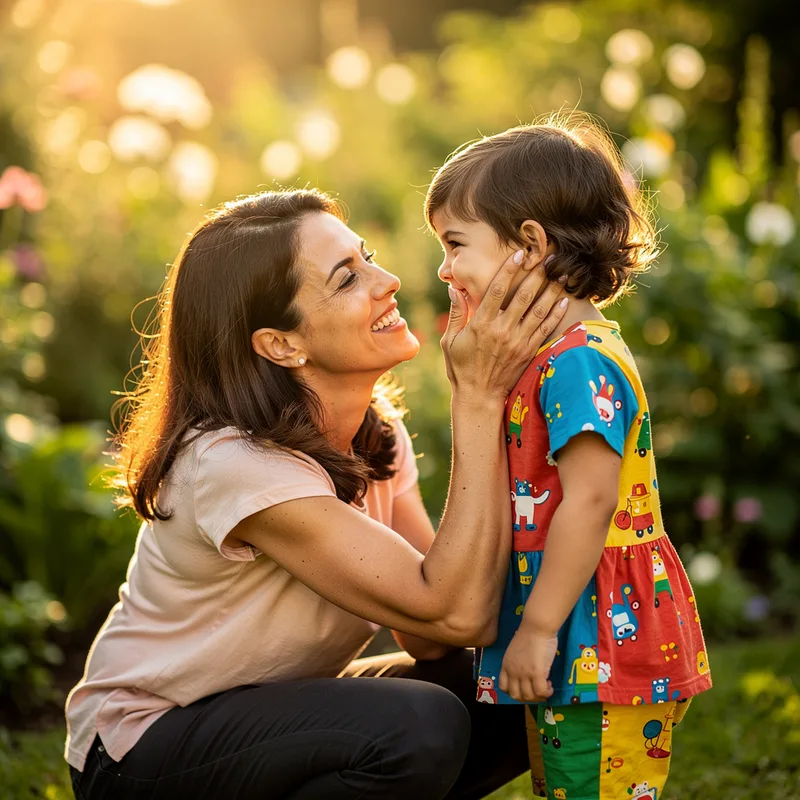
darling
 ∞
1.0
∞
1.0

- noun
- /ˈdɑːrlɪŋ/
- Informal
- Now, my sweet darling, we must plan.
- say 'darling'
- darling of the media
- become the darling
Loading YouTube…
Watch on YouTubeI'll change for you now, darling, They don't change.
- I'll change for you now, darling, They don't change.
- It sounds like I'm in the past, like, Oh yes, darling, get the trunks.
- Jobs was willing to destroy his own darling, the hugely popular iPod.
- Anyway, before we start, my darlings, I must remove my sunglasses.
- So thank you for watching, my darlings, and I will see you next time.
- And it was my darling, you're just like America.
- It says well, it starts with darling darling, like Mariah Carey darling.
- I'd say Bill, darling, turn around.
- OK, Saakashvili was the darling of the West.
- I got this dog, this Pomeranian name Scout, Precious darling, cute, sweet dog.
- They they probably think you don't love them but you say but darling, they'll last forever.
- And at least that's in my home with my little darling Petunia, my little Beatrice.
- Listen, you're not, listen darling, mate, you're not in Scotland now.
- I can do a good punch if you want it, darling, dress up as bloody hell.
Examples
-
All right, Anna, darling, listen to me.
-
Love you, darling.
-
Oh, yes, indeed, my darling Ben.
-
My Irish darling, where are you waiting?
-
I would be completely lost without you, my darling.
-
Lucy darling, you must be very careful.
-
I'll miss you forever, my darling.
-
No other could enchant me, darling, like you do.
-
Hi, darling.
-
My darling, you make me smile every day.
Synonyms
 ∞
1.0
∞
1.0
A word you use to show love or affection to someone
 ∞
1.0
∞
1.0
A word used to show love for a romantic partner
 ∞
1.0
∞
1.0
A person you love in a romantic way
 772
1.0
772
1.0
A word people use to address someone they care about, like dear
 558
2.8
558
2.8
A person you love or care for very much
 308
8.1
308
8.1
A name you call someone you love
 225
1.1
225
1.1
A loving name for a woman or girl treated with special care
 162
2.2
162
2.2
A person you love very much
 83
3.4
83
3.4
A person, animal, or thing people find lovable, like a small puppy
 61
4.4
61
4.4
A woman or girl spoken to in a warm, slightly old-fashioned way
 30
8.8
30
8.8
A person you love and treat with care
 29
1.0
29
1.0
A person you love or like very much
 19
3.4
19
3.4
A person who is very much loved
 11
8.2
11
8.2
A short, loving name for a partner or close friend
 8
3.0
8
3.0
A loving name adults use for a child or pet
 7
7.8
7
7.8
A small doll or a name for a sweet child
 6
8.1
6
8.1
A word used to show love or kindness to someone
 5
7.5
5
7.5
A gentle name used for someone you love
 4
9.5
4
9.5
A person you love and feel close to
 4
5.1
4
5.1
A name people use to show love for a partner, child, or pet
 2
9.1
2
9.1
A loving nickname for a child or someone you love
 2
8.2
2
8.2
An attractive young woman often talked about in a kind way or as less grown-up
 2
8.4
2
8.4
A person you love or care about, often called this name to show love
 2
8.2
2
8.2
A friendly word you use to call someone you love, like 'darling'
 1
8.6
1
8.6
A playful name for a boyfriend or girlfriend
 1
7.6
1
7.6
A loving name you use for someone you care about
 1
8.3
1
8.3
A friendly informal name someone uses for a romantic partner
 1
7.8
1
7.8
A woman who is a man's sweetheart


 1
9.8
1
9.8
A French word used to call someone you love, like 'darling'
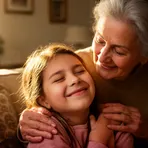
A person you love and care about a lot
A loving name for someone you care about

A name someone uses to show love for a partner or close friend

A friendly loving name for a child or someone you love
Antonyms

Compounds


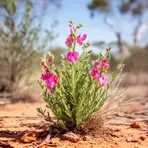

- Australian
A plant from eastern Australia with bright blue, purple, or red flowers
How Loved

Surface Forms
Morphology
Etymology
The word darling comes from dear with the small ending -ling, which means 'little' or 'young', so it first meant 'little dear'. That's why we call a person we love our darling.