
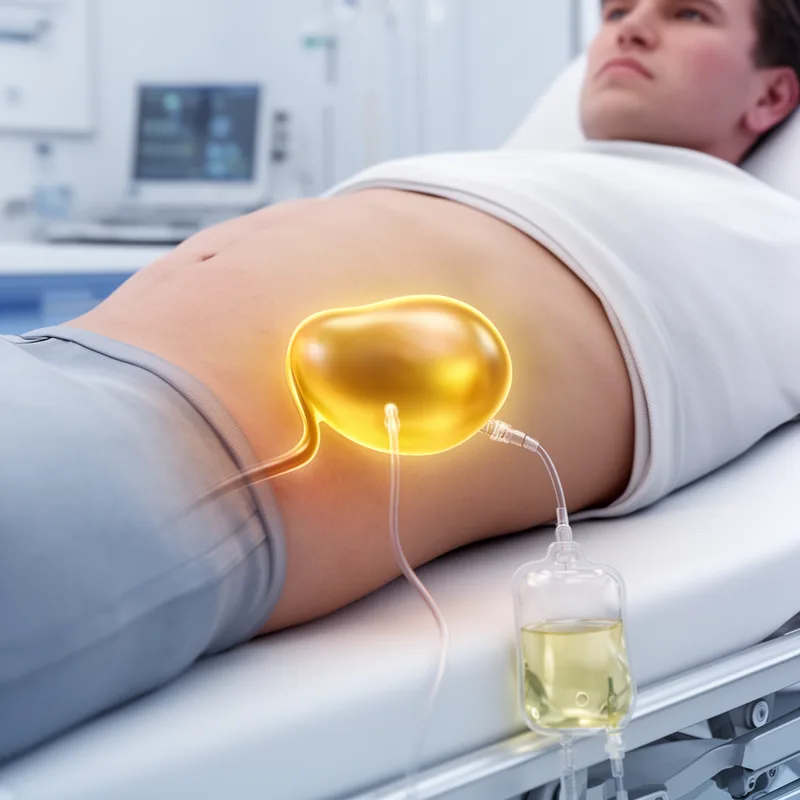
cystoplegia
- noun
- /ˌsɪstəˈpliːdʒə/
- Specialized
- The patient's cystoplegia required the use of a catheter for bladder management.
Examples
-
Surgery to the pelvic region may cause temporary cystoplegia in some individuals.
-
Many patients with cystoplegia experience difficulty in urination.
-
Because of his cystoplegia, he needed regular medical supervision to prevent infections.
-
The patient was diagnosed with cystoplegia after the surgery.
-
Due to her cystoplegia, she had to undergo regular catheterizations to assist with urination.
-
The doctor explained that cystoplegia can result from nerve damage in the pelvic area.
-
After the accident, his cystoplegia made it necessary to monitor his bladder function closely.
Synonyms

The bladder cannot hold or release urine
Surface Forms
Morphology
Etymology
Cystoplegia combines cysto- meaning 'bladder', the organ that holds urine, and -plegia meaning 'paralysis', the same ending you see in paraplegia, so it literally means 'paralysis of the bladder'.

