
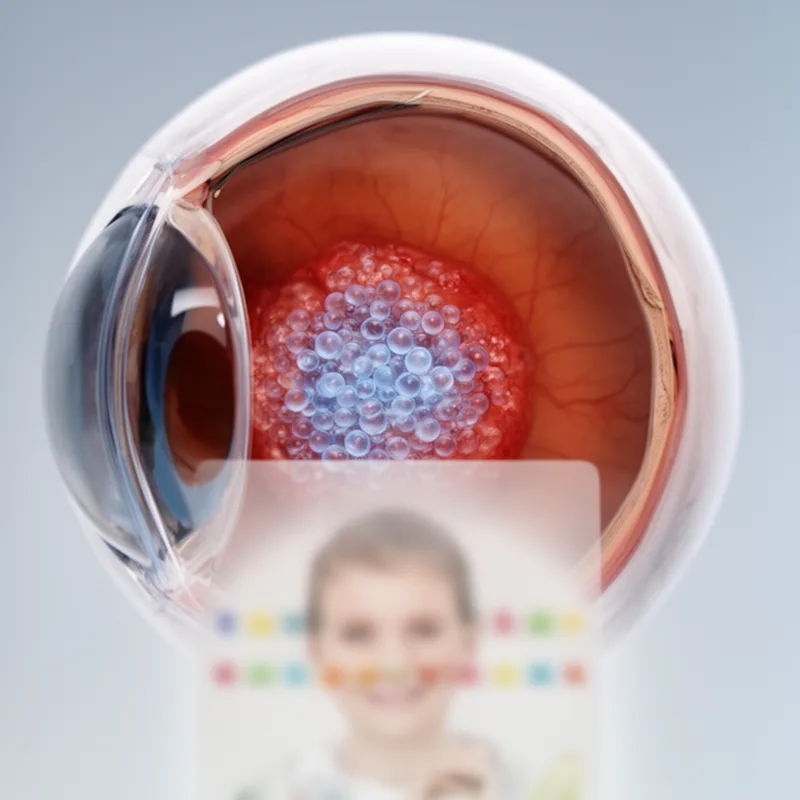
cystoid macular edema
- noun
- /ˈsɪstɔɪd ˈmækjələr ˈiːdəmə/
- Specialized
- Treatment for cystoid macular edema often includes anti-inflammatory eye drops or injections.
Examples
-
The patient developed cystoid macular edema following cataract surgery, which affected his vision.
-
If left untreated, cystoid macular edema can lead to permanent loss of central vision.
-
The patient was diagnosed with cystoid macular edema last week.
-
Have you heard about cystoid macular edemas?
-
The ophthalmologist diagnosed him with cystoid macular edema after noticing fluid-filled cysts in his retina.
-
After experiencing blurred vision, she learned she had cystoid macular edema affecting her central vision.
-
Treatment for cystoid macular edema often involves medications to reduce swelling in the macula.
Synonyms

Swelling of the center at the back of the eye that blurs vision
Surface Forms
Morphology
The term is a straightforward concatenation of its parts: 'cystoid' (cyst-like), 'macular' (relating to the macula), and 'edema' (swelling/fluid accumulation). If a learner knows these constituent meanings, the overall sense—fluid/swelling with cyst-like pockets in the macula causing visual problems—is directly predictable from the components and follows standard medical compounding patterns.
Etymology
Cystoid macular edema shows a clear picture: small fluid-filled pockets (cystoid) form in the macula, the eye's center (macular), causing 'swelling' (edema). That's why the name describes a swelling in the center of the eye that can blur or harm 'central vision'.

