
cystine


 1
8.2
- noun
- /ˈsɪstɪn/
- Specialized
- Athletes rely on cystine as part of their diet to aid in the recovery and repair of muscle tissues.
- cystine kidney stones
Examples
-
The condition cystinosis causes cystine crystals to build up in every organ and tissue in the body, causing kidney failure, blindness, muscle wasting, diabetes, among many other complications.
Blog text (22) -
One drained swab was transferred to 100 mL of TT broth and the other to 100 mL of selenite cystine broth.
Academic text (2002) -
Selenite cystine is generally incubated at 35 to 37°C because selenite-based media can be inhibitory to Salmonella at higher temperatures.
Academic text (2002) -
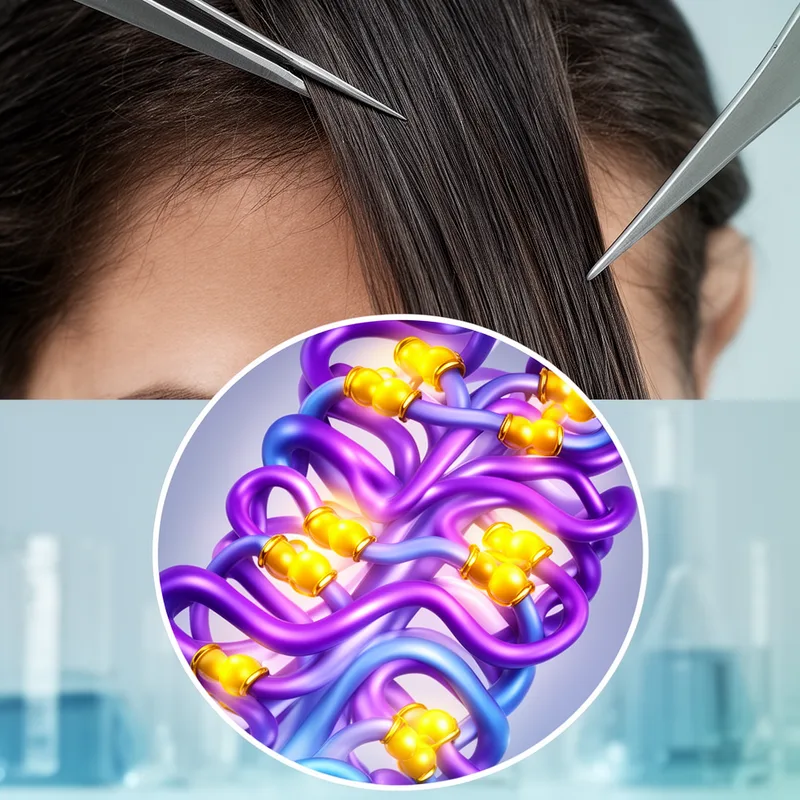
Cystine is found in high quantities in cystine, making it essential for healthy hair and nails.
-
Many protein-rich foods, such as eggs and dairy products, contain cystine, which supports muscle growth.
Surface Forms
Etymology
Cystine comes from the Greek root kystis meaning 'bladder' or 'sac', because it was first found in bladder stones, and the chemical ending -ine marks it as a kind of molecule. So the name helps you remember that cystine is an amino acid that contains sulfur and appears in proteins like hair and nails.