
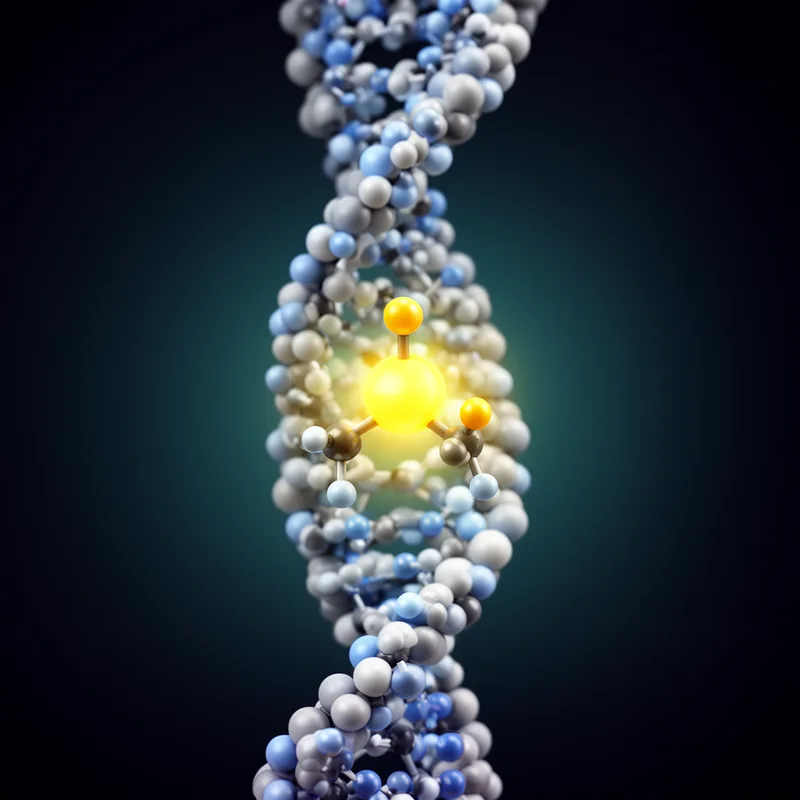
cysteine
 1
7.6

- noun
- /ˈsɪstəˌin/
- Specialized
- For example, a known feature of CHO cell lines is that they are unable to synthesize cysteine and arginine on their own, thus making these two amino acids essential.
- amino acid cysteine
Examples
-
The addition of wheat and maize to grass-pea preparations could compensate for the deficiency of methionine and cysteine, as well as dilute the concentration of toxins.
Academic text (2003) -
And likewise, beans tend to be low in methionine and cysteine in proportion to what they need.
-
You've got a lot of cysteine peptide groups.
-
Likewise, GSH is limited by the rare amino acid cysteine.
Academic text (2011) -
About half the cysteine used for glutathione synthesis is produced by the trans-sulfuration pathway.
Blog text (19) -
The mutations changed a key amino acid—arginine—into one of three other amino acids: histidine, cysteine, or serine.
Academic text (2005) -
Briefly, this involved treating keratin in an oxidizing solution at a low pH, and then heating the mixture to oxidize cysteine (CYS) residues in the protein.
Academic text (2018) -
Fertilized eggs were de-jellied for 5 minutes with a solution containing 1 g cysteine (Sigma) and 1 ml of 5 N NaOH in 50 ml ddH2O.
Academic text (2018) -
Cysteine is an important amino acid found in many proteins, and it plays a crucial role in the formation of cysteine disulfide bonds.
-
The human body can synthesize cysteine from other amino acids, but it is also available in dietary sources like garlic and onions.
Synonyms

 1
7.7
A short form for cysteine, an amino acid that is a building block of proteins
Surface Forms
Morphology
cysteine = cyst (opaque) = cyste + ine
Although the form includes the medical combining form 'cyste' plus the chemical suffix '-ine', the term denotes a specialized amino acid and its precise meaning is not inferable by an average B1 learner from the base 'cyst'.
Etymology
Cysteine comes from the Greek root kystis meaning 'bladder' and the chemical ending -ine. A related compound, cystine, was first found in bladder stones, so thinking of a 'cyst' or small sac helps you remember this sulfur-containing amino acid that can join with another cysteine to form cystine.