
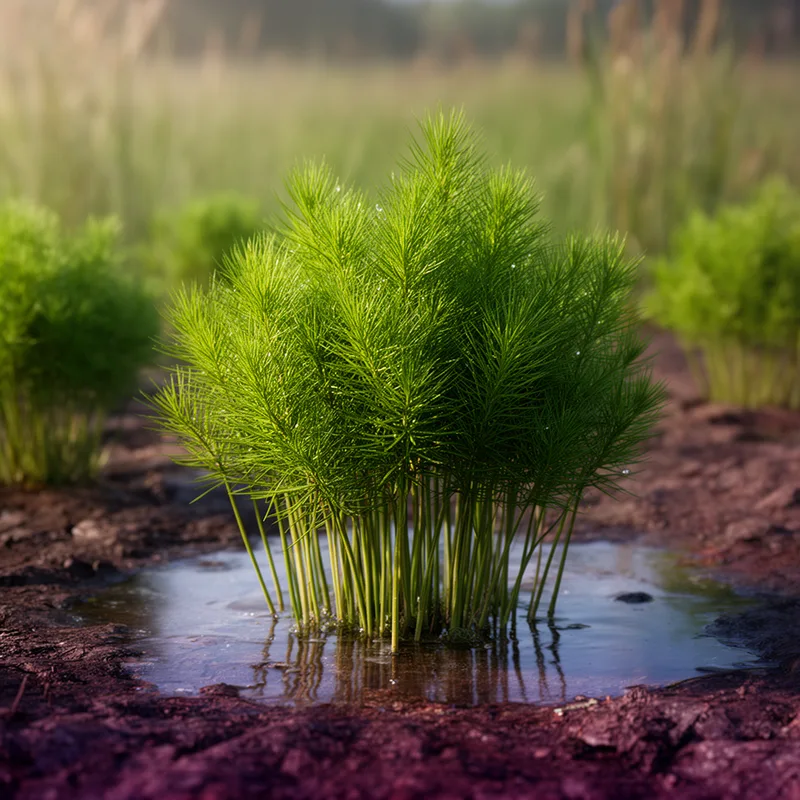
cypress sedge
- noun
- Many gardeners use cypress sedge for ground cover in damp areas.
Examples
-
The wet meadow was filled with cypress sedge thriving among the reeds.
-
Botanists catalogued several specimens of cypress sedge in the nature reserve.
-
The cypress sedge thrives near the water.
-
Many gardeners love planting cypress sedges for their unique look.
-
Many gardeners use cypress sedge for ground cover in damp areas.
-
The wet meadow was filled with cypress sedge thriving among the reeds.
-
Botanists catalogued several specimens of cypress sedge in the nature reserve.
Synonyms

 4
9.0
4
9.0

A plant like grass that grows in wet ground with narrow leaves

A plant that grows in clumps near ponds and wet meadows
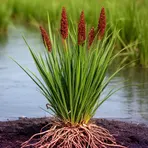
A European grass-like plant with rough leaves, reddish flower spikes, and scented roots

A grass-like plant that grows in sandy places like coastal dunes and helps hold the sand

A water plant from Africa with a top group of thin leaves that spread like an umbrella
Surface Forms
Morphology
This is a straightforward attributive noun compound: 'cypress' modifies 'sedge', so the phrase denotes a sedge that resembles or is associated with cypresses. The meaning is directly derivable from the known constituent words and follows a common, cross-linguistic compositional pattern, so a B1 learner who knows both words would understand it.
Etymology
Cypress sedge comes from the plant's look: the sedge grows in small, bushy clumps that resemble tiny cypress trees. That's why the name means a sedge that looks like a little cypress.