
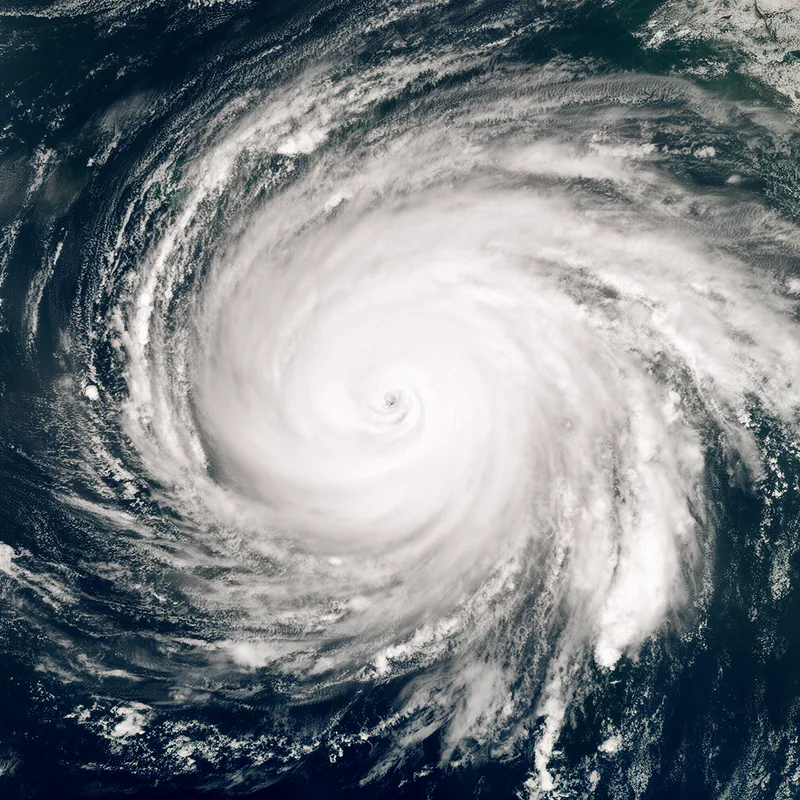
cyclonal
- adjective
- /saɪˈkloʊnəl/
- Specialized
 :
ciclónico
:
ciclónico
- Winds in the cyclonal region typically rotate counterclockwise in the Northern Hemisphere.
Examples
-
Meteorologists observed a distinct cyclonal cloud formation on the satellite images.
-
The cyclonal activity intensified as the storm moved closer to land.
-
The cyclonal storm was fierce.
-
Don't underestimate the cyclonal winds!
-
The meteorologist explained how cyclonal storms can cause heavy rainfall and strong winds.
-
During the summer, we often experience cyclonal weather patterns that lead to severe thunderstorms.
-
The cyclonal conditions created by the approaching storm made it necessary to issue a weather warning.
Synonyms

 1
7.0
1
7.0

Having strong turning winds and heavy rain

Having very strong winds that move in a circle
How Cyclonic

Surface Forms
Morphology
Etymology
Cyclonal comes from the root cycl- meaning 'circle' and the ending -al meaning 'related to', the same root you see in cycle. So cyclonal describes weather or winds that move in a circular, rotating way, like a cyclone.