
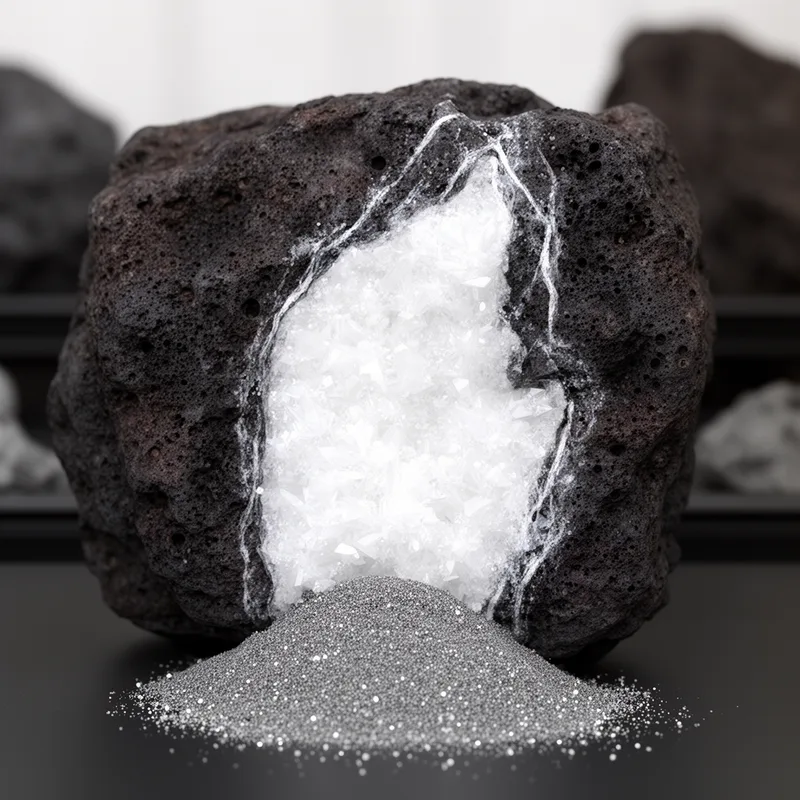
cristobalite
- noun
- /ˌkrɪstəˈbɑːlaɪt/
- Specialized
- The volcanic ash contained a high percentage of cristobalite crystals.
Examples
-
The presence of cristobalite can indicate a rock's exposure to high temperatures.
-
The geologist discovered a sample of cristobalite in the volcanic rock.
-
Scientists analyzed the formation of cristobalite in the cooling lava samples.
-
Many cristobalites are found in the Andes Mountains.
-
Scientists analyzed the formation of cristobalite in the cooling lava samples.
-
The presence of cristobalite can indicate a rock's exposure to high temperatures.
-
The volcanic ash contained a high percentage of cristobalite crystals.
Surface Forms
Morphology
cristobalite = Cristobal (opaque) = cristobal + ite
Formed from a proper name plus the mineral-forming suffix '-ite'; the components do not help a typical learner infer the meaning 'a form of silica'.
Etymology
The word cristobalite was named after San Cristóbal, the place where this white mineral was first found, and the ending -ite is a common mineral ending, as in granite. So cristobalite is the name for a form of 'silica' that often forms in very hot volcanic rock.

