
cratonic
- adjective
- /krəˈtɒnɪk/
- Specialized
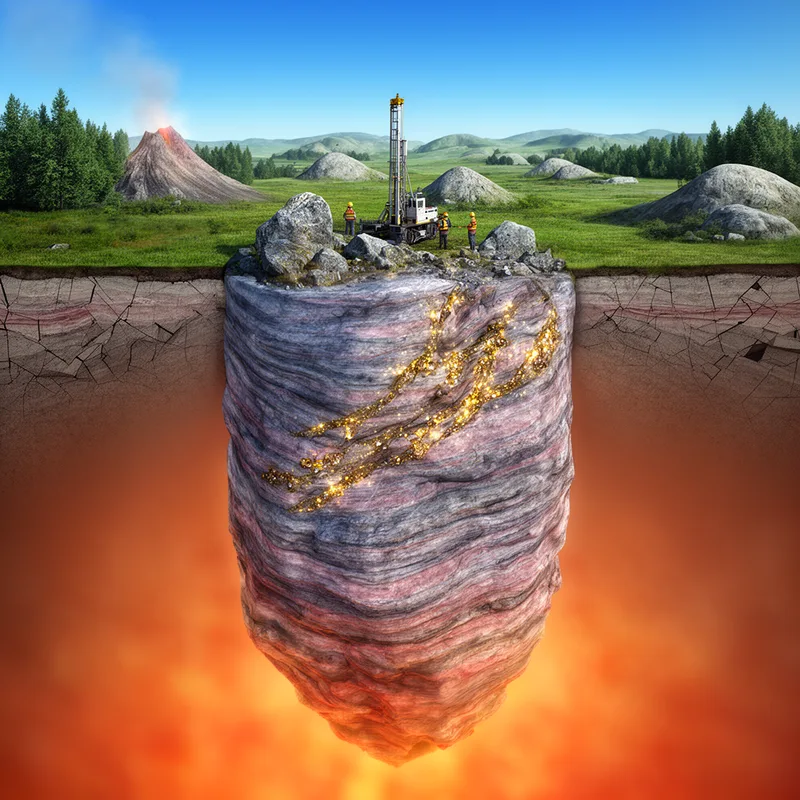
- The shield area is composed mainly of cratonic rocks that have remained unchanged for billions of years.
Examples
-
The cratonic regions of North America are geologically significant.
-
Many mineral deposits are found in cratonic zones due to their geological stability.
-
Geologists study cratonic regions to understand the early history of the Earth.
-
Researchers study the cratonic formations to understand Earth's history.
-
The geologist studied the cratonic regions to understand the formation of ancient landmasses.
-
Cratonic stability is essential for the cratonic regions to host valuable mineral deposits.
-
Research indicates that the cratonic areas have remained largely unchanged for millions of years.
How Stable


Surface Forms
Morphology
Etymology
Cratonic comes from craton, from the Greek kratos meaning 'strength' or 'power', the same root you see in democracy. So a cratonic region is a 'strong' and very old part of the Earth's crust that stays stable for a very long time.