
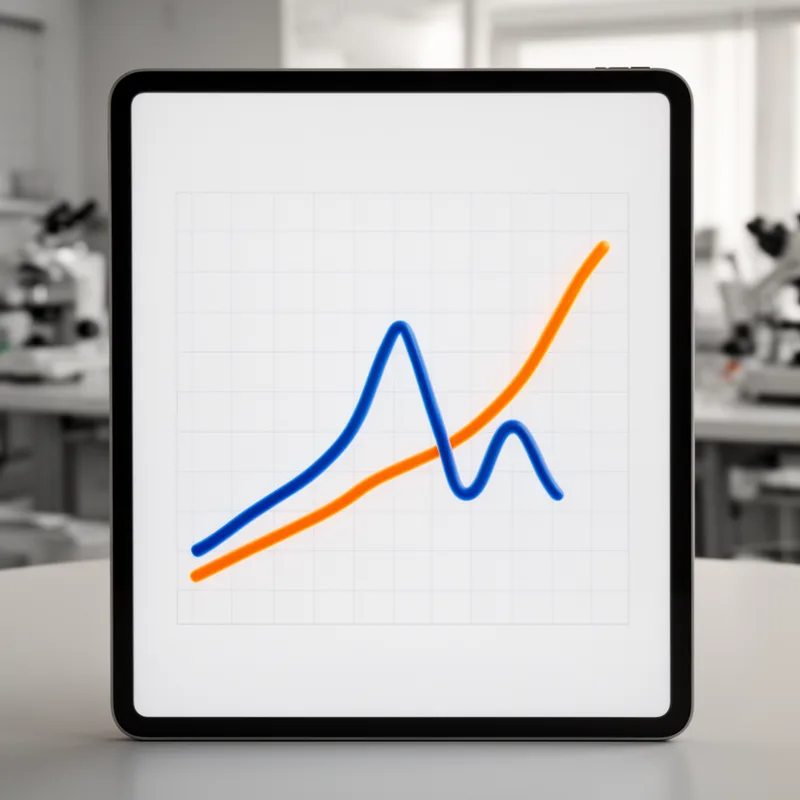
to covary
- verb
- /koʊˈvɛri/
- Specialized
- Children's mathematical skills covary with certain indicators of their home environment, such as family income and maternal education (Downer & Pianta, 2006).
- achievement scores normally covary
- likely to covary
Examples
-
In the current study, two primary dependent variables were analyzed and, in general, demonstrated to covary inversely.
Academic text (2001) -
Furthermore, factor analytic procedures provide only an indication of those variables that covary.
Academic text (1990) -
Similar results were obtained when IQ was covaried in the analysis.
Academic text (1990) -
Thus, without covarying WMC in the analysis, no significant advantage was found for the Complete generative training condition.
Academic text (2013) -
The overall rates of disruptive behavior covaried positively with the rate of handraise/disruptive behavior across each phase of the study.
Academic text (1993) -
Age and years of experience were covaried because of differences between intramural, non-certified, and certified officials on these two variables.
Academic text (1992) -
Results indicate that each of the three domains of teacher-student interaction was predictive of higher student achievement test scores at the end of the year, even after covarying prior-year scores and relevant student and classroom characteristics.
Academic text (2013) -
Research shows that children's mathematical skills covary with certain indicators of their home environment, such as family income.
-
In our study, the results indicated that the overall rates of disruptive behavior covary positively with hand-raising across different classroom phases.
-
When analyzing the data, we found that several variables tend to covary in a predictable manner, revealing important relationships.
Synonyms

To change together in a connected way, often at the same time
Surface Forms
Morphology
Etymology
Covary combines the prefix co- meaning 'together' and the verb vary meaning 'change'. So to covary is to 'change together', which is why a change in one thing is often matched by a change in another.

