
covalent


 1
6.4
1
6.4
- adjective
- /koʊˈveɪlənt/
- Specialized
 :
covalente
:
covalente
- The other thing about the covalent bond is that it is directional.
- covalent bond
Because because they're just more covalent bonded backbone to break, right?
- Because because they're just more covalent bonded backbone to break, right?
Examples
-
This is because, in a covalent bond, a spin-up electron pairs up with a spin-down electron, leading to no net spin.
Academic text (1999) -
Molecules that contain covalent bonds tend to be stable and have low melting points.
-
And we have this thing where we've now formed a covalent bond with the enzyme.
-
The reason it works in silicon is that silicon naturally forms four covalent bonds with surrounding silicon atoms.
Blog text (1) -
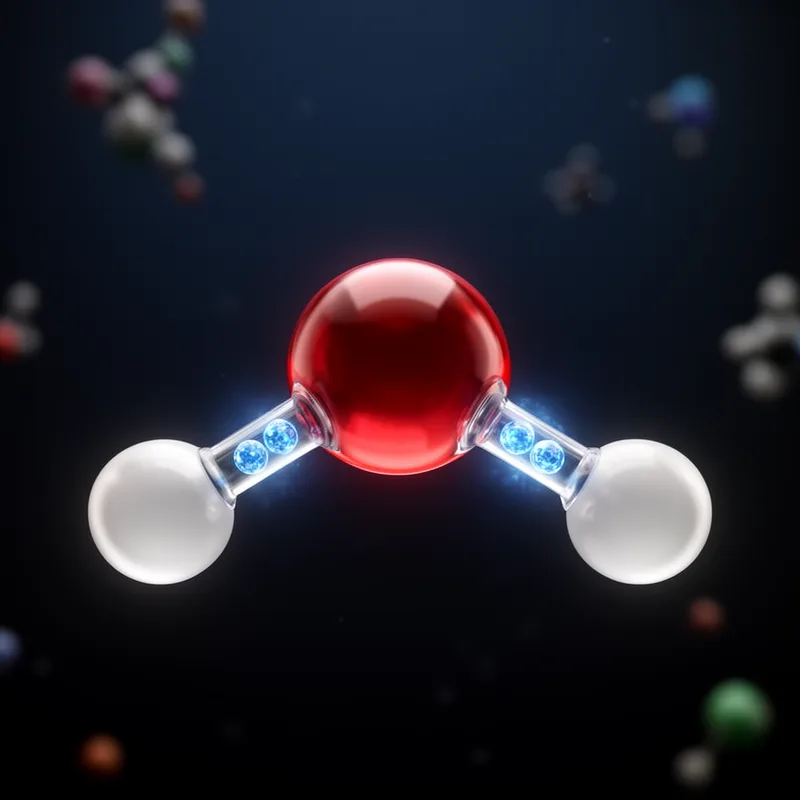
A covalent bond forms when two atoms share a pair of electrons.
-
Water is an example of a substance held together by covalent bonds between hydrogen and oxygen atoms.
Compounds
How Covalent
- Specialized
1
6.4

- Specialized
8
5.0
Surface Forms
Morphology
covalent = valent (semi-transparent) = co + valent
The prefix 'co-' indicates 'together' or 'joint', which fits the idea of shared valence, but the specific chemical meaning is specialized.
Etymology
Covalent breaks into co- meaning 'together' and -valent from a root meaning 'strong' or 'having power', as in valiant. So a covalent bond is a bond where atoms stay 'together' by sharing electron pairs, which is exactly what the word means today.