
coumarin
 1
8.5
1
8.5

- noun
- /ˈkuːmərɪn/
- Specialized
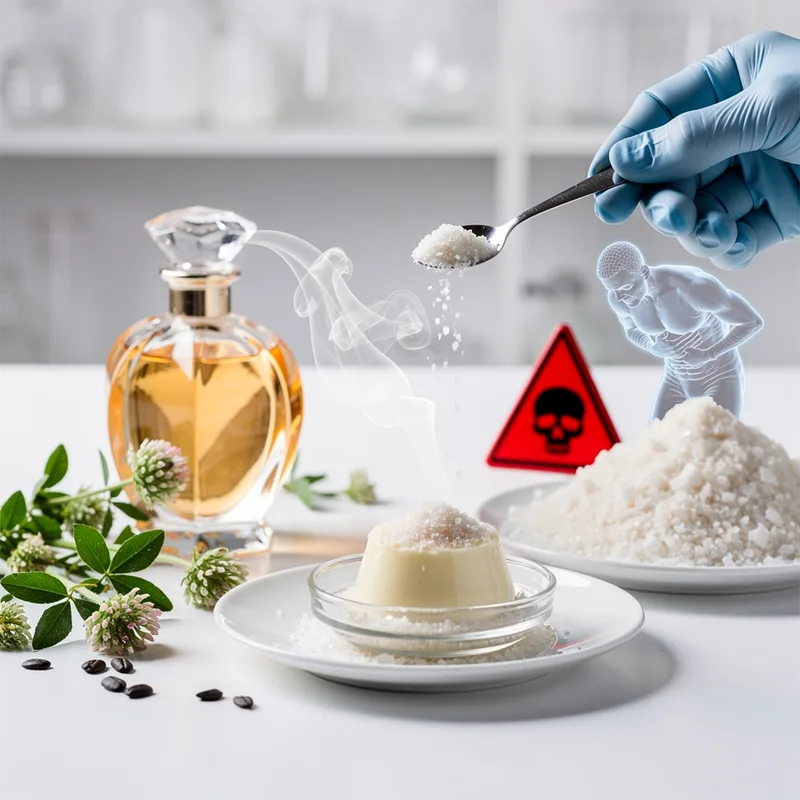
- Eating large amounts of coumarin can be toxic, so it should be used in moderation in flavorings.
- coumarin anticoagulant
- coumarin treatment
Examples
-
The backbone contains lavender, moss, and coumarin.
Blog text (30) -
When I came on board at B&, they had tried to transition from coumarin to a similar flavor... that would give the same taste and had been unsuccessful.
-
Warfarin is a coumarin anticoagulant; there are others, but warfarin is the preferred drug.
Academic text (2012) -
In 1945, the idea of using a derivative of coumarin, the active substance in sweet clover, as a rodenticide was developed.
Academic text (2014) -
The patient had a history of hypercholesterolemia, ischaemic heart disease, and atrial fibrillation treated with digoxin and coumarin.
Academic text (2007) -
He identified fatty material that likely was added as a binder, as well as traces of coumarin, a fragrant chemical compound found in plants and used in some perfumes.
Academic text (2011) -
The compound coumarin is commonly used in perfumes for its sweet, fragrant aroma.
-
Some plants, like sweet clover, are known to contain coumarin, which gives them their distinctive scent.
Surface Forms
Morphology
coumarin = coumar + in
The form comes from a borrowed plant name and the element 'coumar' is not a recognizable English base; '-in' only marks a chemical substance, so learners cannot derive the meaning from the parts.
Etymology
Coumarin comes from the French name coumarou for the tonka bean, a South American seed known for its 'sweet smell'. Because chemists first found this scent in the tonka bean, coumarin became the name of a fragrant chemical used in perfumes, flavorings and some medicines.