

corpus amygdaloideum
- noun
- /ˈkɔːrpəs əˌmɪɡdəˈlɔɪdɪəm/
- Specialized
- The corpus amygdaloideum is crucial for processing fear and other emotional responses.
Examples
-
Damage to the corpus amygdaloideum may lead to altered emotional behavior in patients.
-
Scientists observed changes in the corpus amygdaloideum during different stages of emotional learning.
-
The corpus amygdaloideum is crucial for emotional regulation.
-
Researchers study the corpus amygdaloideum to understand anxiety.
-
Damage to the corpus amygdaloideum may lead to altered emotional behavior in patients.
-
Scientists observed changes in the corpus amygdaloideum during different stages of emotional learning.
-
The corpus amygdaloideum is crucial for processing fear and other emotional responses.
Synonyms

 14
9.3
14
9.3

A small almond-shaped part of the brain that helps process emotions like fear
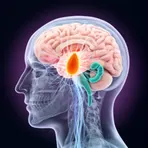
A small part of the brain shaped like an almond that helps control feelings and motivation
Surface Forms
Morphology
corpus + amygdaloideum
The term is a technical Latin anatomical name: while 'corpus' may be recognizable as 'body' or 'mass', 'amygdaloideum' is not a common English word and encodes a specialist root ('amygdal-' = almond) unfamiliar to B1 learners. Because one constituent is unknown and the phrase denotes a specific brain structure rather than a meaning transparently composed from everyday English words, a B1 learner who knows the visible constituents would not be able to derive the full meaning.
Etymology
Corpus amygdaloideum comes from Latin and Greek: corpus means 'body' and amygdaloideum means 'almond-like'. Doctors named this small brain part because it looks like an almond, and that image helps explain why the name refers to the area that deals with emotion.