
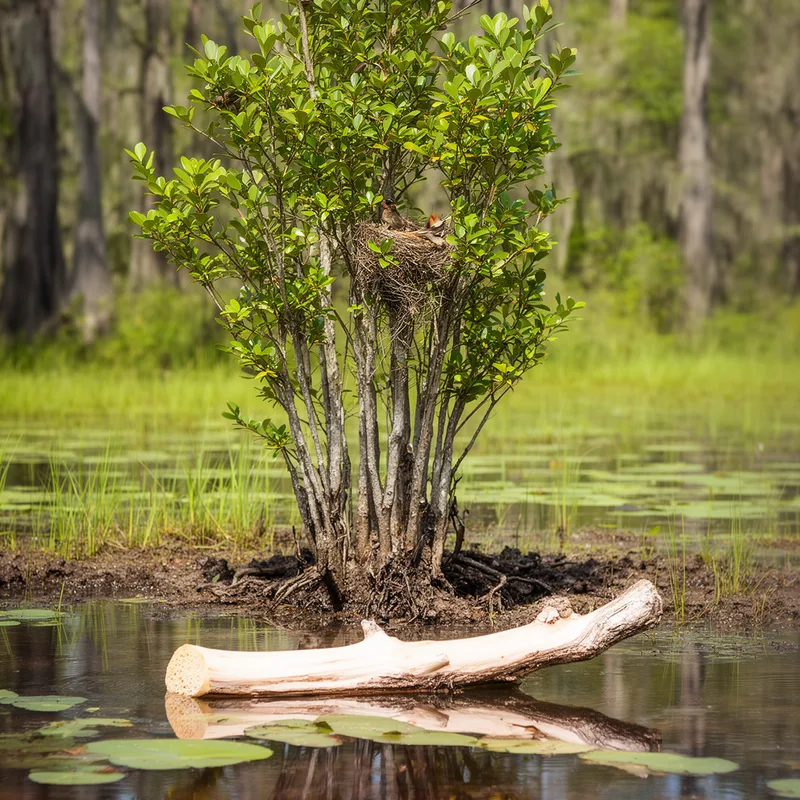
corkwood
- noun
- /ˈkɔrkˌwʊd/
- US
- The corkwood tree thrives in wet, marshy areas.
Examples
-
The extremely light wood of the corkwood makes it valuable for certain craft uses.
-
Many birds nest in the branches of the corkwood tree.
-
We spotted a rare corkwood growing near the wetlands during our hike.
-
Many corkwoods can be found in Florida.
-
The carpenter preferred using corkwood for the lightweight furniture he made.
-
During our hike, we spotted a corkwood tree growing near the swamp.
-
The naturalist explained how corkwood trees thrive in wetland environments.
Synonyms
A small tree or shrub with very light wood that grows in wet places in the southeastern United States
A very small tree or shrub from southeastern US wetlands with very light wood
A small tree or shrub from the southeastern United States that loses its leaves and has very light, spongy wood
Compounds
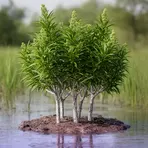
A small tree or shrub with very light wood that grows in wet places in the southeastern United States
Surface Forms
Morphology
Etymology
The word corkwood is simply cork + wood, named because the tree's wood is very light and spongy 'like cork', the same material used in bottles. So, the name helps you remember that this tree has unusually light wood.

