
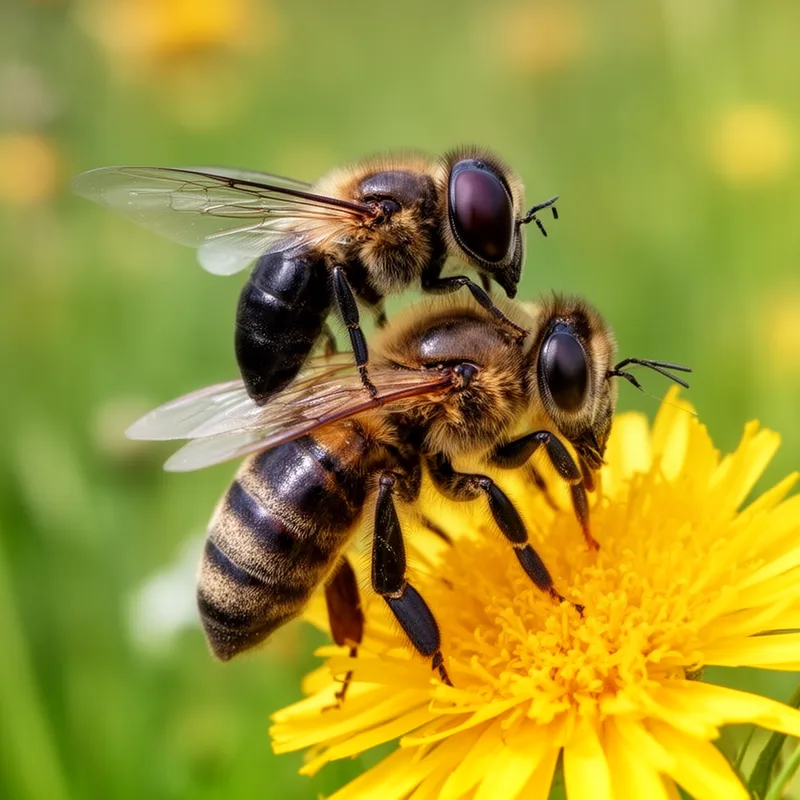
conopid
- noun
- /kəˈnɒpɪd/
- Specialized
- The conopids inject their eggs into the abdomens of foraging worker bees.
Examples
-
The nylon was chosen to mimic the larva of a conopid fly.
Academic text (2003) -
The conopid fly is known for its unique parasitic behavior towards bees.
-
During encapsulation, specialized hemolymph cells called hemocytes become attracted to an invader, such as the larva of a conopid fly.
Academic text (2003) -
Farmers noticed that the conopid flies were affecting their bee populations.
-
Researchers studied the life cycle of the conopid to understand its impact on pollinators.
Surface Forms
Morphology
conopid = Conopidae (opaque) = conop + id
This is a technical taxonomic formation based on the scientific family name stem and the zoological suffix '-id', but the stem is not meaningful to most learners.
Etymology
Conopid names a type of fly and comes from the Greek konops 'gnat' or 'mosquito' plus the ending -id that shows relation. So a conopid is a fly 'related to' those small flies that often live in or on bees and wasps.

