
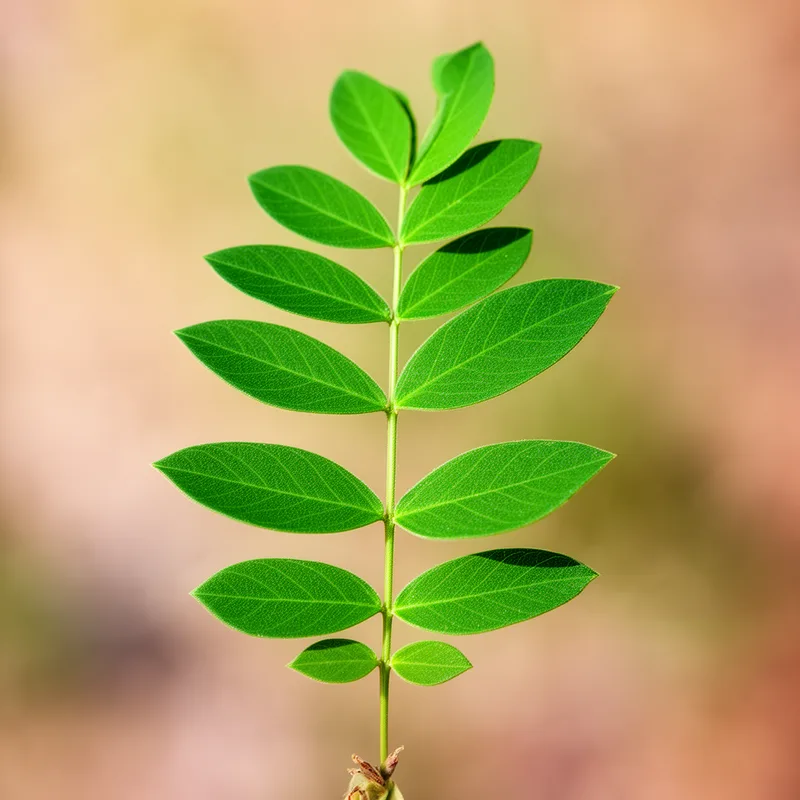
compound leaf
- noun
- /ˈkɒmpaʊnd liːf/
- Specialized
- Another surprise came when I tested compound leaves with leaflets arrayed in rows on either side of a central stem.
Examples
-
Instead, the tropical effect is achieved by using hardy plants like golden rain trees and ornamental grasses—things with large foliage or compound leaves.
Academic text (1995) -
Most have large and striking compound leaves, generally pinnate and frequently toothed.
-
Relative to their surface areas, the drag of these compound leaves was even lower than that of the simple ones.
Academic text (1993) -
Roses have compound leaves that are composed of smaller leaves called leaflets.
-
Chinese pistache (Pistacia chinensis) is an excellent alternative for those looking for a medium-sized shade tree, and the compound leaves provide red or red-orange fall color.
How Many Leaflets
- Specialized

- Specialized
- Specialized
- Specialized


 1
7.1
1
7.1
- Specialized
Surface Forms
Morphology
The meaning 'a leaf consisting of several distinct leaflets' is directly and transparently derived from combining 'compound' (composed of several parts) with 'leaf' (the plant organ). This is a straightforward compositional botanical term and similar constructions exist across languages, so a B1 learner who knows both words would readily infer the meaning.
Etymology
Compound leaf names a plant leaf that is compound — made of several small leaflets joined to a single stalk. Imagine many little parts attached to one stem so they act as 'one leaf', and that is why the phrase means a single leaf divided into joined parts.