
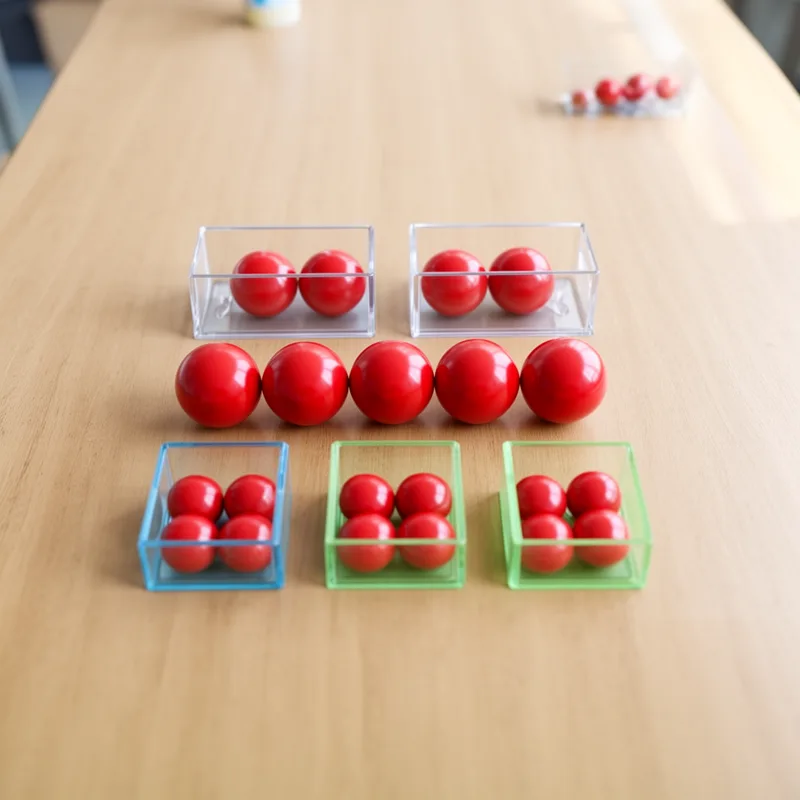
composite number
- noun
- /kəmˈpɒzɪt ˈnʌmbər/
- Specialized
- Numbers like 9 and 10 illustrate the concept of a composite number, as they have divisors other than one and themselves.
Loading YouTube…
Watch on YouTubeLet's take a look at properties of highly composite numbers, antiprime numbers.
- Let's take a look at properties of highly composite numbers, antiprime numbers.
Examples
-
And if X is really a composite number, some branch will find the factor.
-
To identify whether a number is a composite number, you can check if it can be divided by integers other than one and itself.
-
Let's take a look at properties of highly composite numbers, antiprime numbers.
-
It isn't considered a composite number where you make the other numbers from primes.
-
Considering powers modulo primes and then modulo composite numbers throws up a whole range of interesting theory, in particular Fermat's Little Theorem, which states that modulo a prime p:
Blog text (31) -
A composite number is any integer greater than one that is not prime, such as 4, 6, or 8.
Antonyms

- Specialized
 7
3.6
7
3.6

A whole number greater than 1 that you can divide only by 1 and itself
Surface Forms
Morphology
The adjective 'composite' (made of several joined parts) combined with 'number' signals that the number has multiple parts or factors, so learners who know the constituents can infer a contrast with 'prime' and get a partial sense of divisibility. However, the exact mathematical definition (divisible by a positive integer other than 1 and itself) is technical and not fully predictable from the everyday meaning of 'composite', so this is not fully transparent to a B1 learner.
Etymology
Composite number comes from the word composite, which means 'made of parts', and it gives a clear picture: the number is built from smaller numbers. That's why a composite number is a number you can divide by other numbers, called 'factors', besides 1 and itself.