

common thorn apple
- noun
- /ˈkɑːmən θɔrn ˈæpəl/
 :
manzana espinosa común
:
manzana espinosa común
- The seeds and leaves of the common thorn apple are dangerously toxic if ingested.
Examples
-
In the wild, the common thorn apple can be recognized by its spiny fruit and large blossoms.
-
Many gardeners avoid planting common thorn apples due to their toxicity.
-
Gardeners are warned to remove common thorn apple plants due to their poisonous nature.
-
The common thorn apple is known for its poisonous properties.
-
Gardeners are warned to remove common thorn apple plants due to their poisonous nature.
-
The seeds and leaves of the common thorn apple are dangerously toxic if ingested.
-
In the wild, the common thorn apple can be recognized by its spiny fruit and large blossoms.
Synonyms
 2
9.9
2
9.9

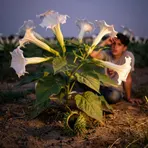
A plant with large trumpet-shaped flowers that is poisonous and can cause strange visions


 1
9.9
1
9.9
A plant with spiky fruit and trumpet-shaped flowers that can be poisonous
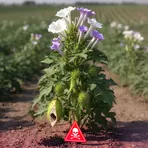
A tall yearly weed with strong-smelling leaves and white or purple trumpet flowers that is very poisonous

A tall plant with large trumpet-shaped flowers and poisonous leaves and fruits

A poisonous tropical plant with big trumpet-like flowers, prickly fruits, and leaves that smell very bad
Surface Forms
Morphology
The phrase is partially transparent: 'thorn' + 'apple' readily suggests a plant with spiky/thorny, apple-like fruit and 'common' signals the usual or widespread species, so a B1 learner would likely infer a kind of plant. However, the critical meanings (that it is the specific species Datura stramonium and that it is intensely poisonous) are not predictable from the constituents alone, so full understanding requires prior exposure or botanical knowledge.
Etymology
Common thorn apple: The name common thorn apple comes from the plant's spiky seed pods that look like a rough 'apple'. The word thorn points to the sharp spines and apple is an old word for 'fruit', while 'common' means the plant is found in many places, so the name helps you picture a widely seen plant with a spiny, apple-like fruit that is poisonous.