
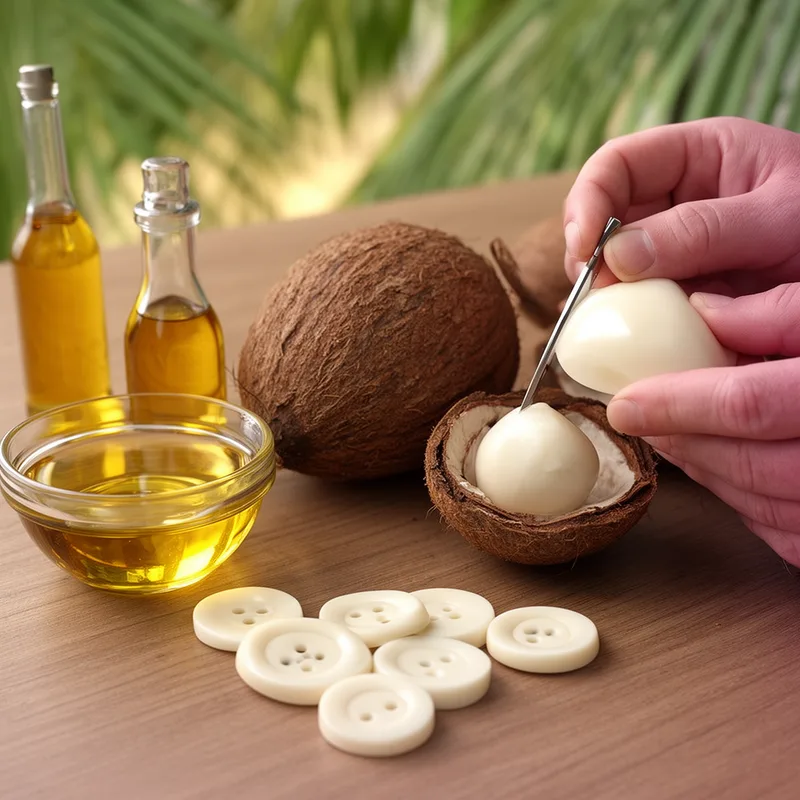
cohune nut
- noun
- /koʊˈhuːn nʌt/
- Specialized
- The oil extracted from the cohune nut is used in cooking and soap making.
Examples
-
The cohune nut is prized for both its edible kernel and durable shell.
-
Local artisans carved buttons from the hard shell of the cohune nut.
-
The cohune nut is often used to produce oil.
-
Many people enjoy the taste of cohune nuts in their dishes.
-
Local artisans carved buttons from the hard shell of the cohune nut.
-
The cohune nut is prized for both its edible kernel and durable shell.
-
The oil extracted from the cohune nut is used in cooking and soap making.
Synonyms

 337
1.0
337
1.0

A large hard seed with a shell that you can eat


 1
2.0
1
2.0
A hard-shelled seed with an edible part inside, like an almond or walnut

A hard white seed from a South American palm used to make buttons and small objects
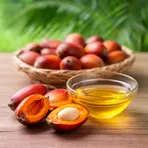
A seed from an oil palm tree that people use to make oil

A hard brown nut from a South American palm used for carving and instead of ivory
Surface Forms
Morphology
This is a straightforward noun–noun compound: the noun refers to the nut produced by the cohune palm, so the meaning is directly derivable from 'cohune' (a palm with large nuts) + 'nut' (a hard-shelled seed). Although 'cohune' is a specialist lexical item, the compositional pattern is regular in English, so a learner who knows both constituents will understand the MWE.
Etymology
Cohune nut comes from the name of the cohune palm and its large, hard nut. People long ago used the tough white shell to carve buttons and squeezed the inside for 'oil', so the name now refers to that particular palm nut used for 'oil' and carving.