
coenzyme Q
- noun
- /ˈkoʊɛnzaɪm kjuː/
- Specialized
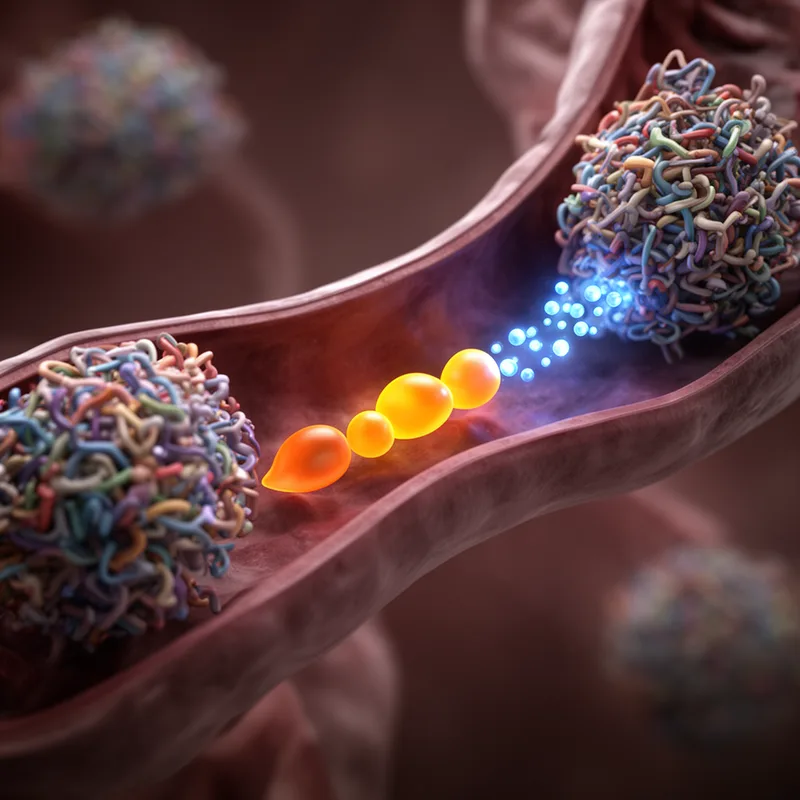
- In humans, coenzyme Q is essential for maintaining mitochondrial health and optimizing energy levels.
Examples
-
And then there's coenzyme Q which also floats within the membrane.
-
HMB may also influence mitochondrial function through an increase in coenzyme Q.
Blog text (23) -
The mitochondria in our cells produce energy thanks to coenzyme Q, which transfers electrons during cellular respiration.
-
Dietary supplements containing coenzyme Q may help improve heart health by promoting efficient energy metabolism in heart cells.
Synonyms

 1
6.7
1
6.7

A small molecule that helps an enzyme work by carrying chemical parts or electrons


 1
9.6
1
9.6
A yellow chemical with two ketone groups used to make dyes and found in living things

A molecule in cells that helps make energy by moving electrons between other molecules
Surface Forms
Morphology
coenzyme + Q
The element 'coenzyme' makes the class clear — a molecule that assists enzyme function — and 'Q' functions like a subtype label, so a learner can infer this is a particular coenzyme. However, the specific meaning (that it refers to quinone compounds such as ubiquinone involved in electron transfer/cellular respiration) is technical and not derivable from the letter 'Q' alone, so full interpretation requires specialised knowledge.
Etymology
Coenzyme Q gets its name from two parts: coenzyme (a helper for enzymes) and Q, short for the chemical 'ubiquinone' because it is found in many cells. So the name tells you it is a small helper molecule that works with enzymes to move tiny particles called electrons and help make the cell's energy.