
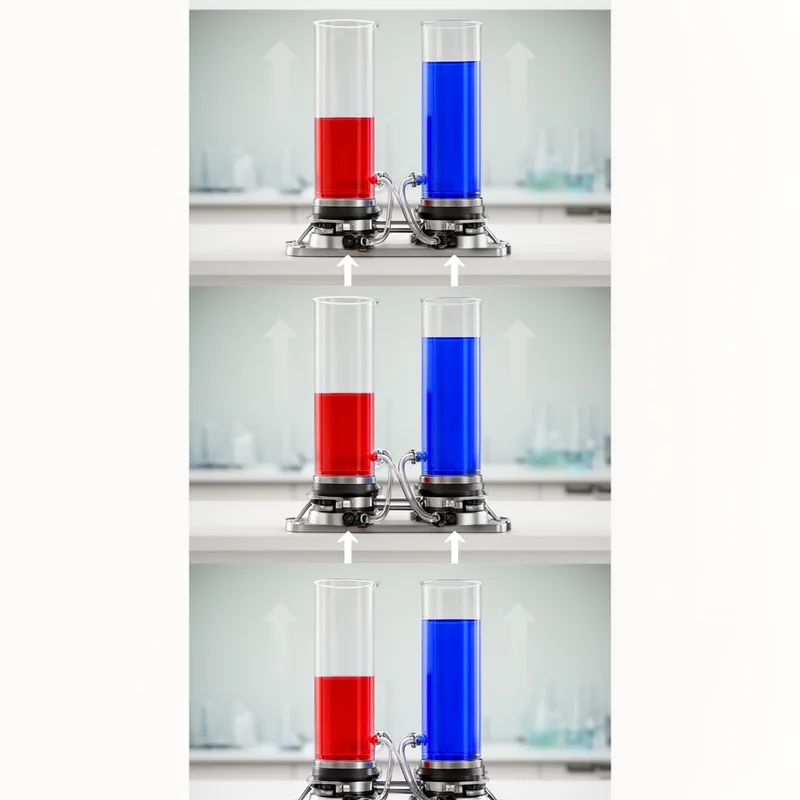
to co-vary
8.2
To change together in a connected way, often at the same time
- verb
- /koʊˈvɛri/
- Specialized
 :
co-variar
:
co-variar
- The two economic indicators tend to co-vary, showing similar trends during periods of growth and recession.
Examples
-
Whenever the stock market rises, consumer confidence seems to co-vary closely, reflecting the overall economic sentiment.
-
In a study of climate change, researchers found that temperature and ice melt often co-vary across the Arctic regions.
-
And that's going to capture how much the activities run by household J are Co varying with what the village is doing as a whole.
Synonyms


 1
7.5
1
7.5
To change together with another living thing, each affecting the other
refers to variables changing together over the same period without implying mutual evolution

8.7
To change at the same time as another thing so both increase or decrease
is the same in meaning but written with a hyphenated form
How Related

Surface Forms
co-vary infinitive
co-varied past
co-varied past participle
co-varying present participle
co-varies third person singular
Morphology
Etymology
The word co-vary comes from the parts co- meaning 'together' and vary meaning 'to change', so it describes two or more things that 'change together' in a related way.