
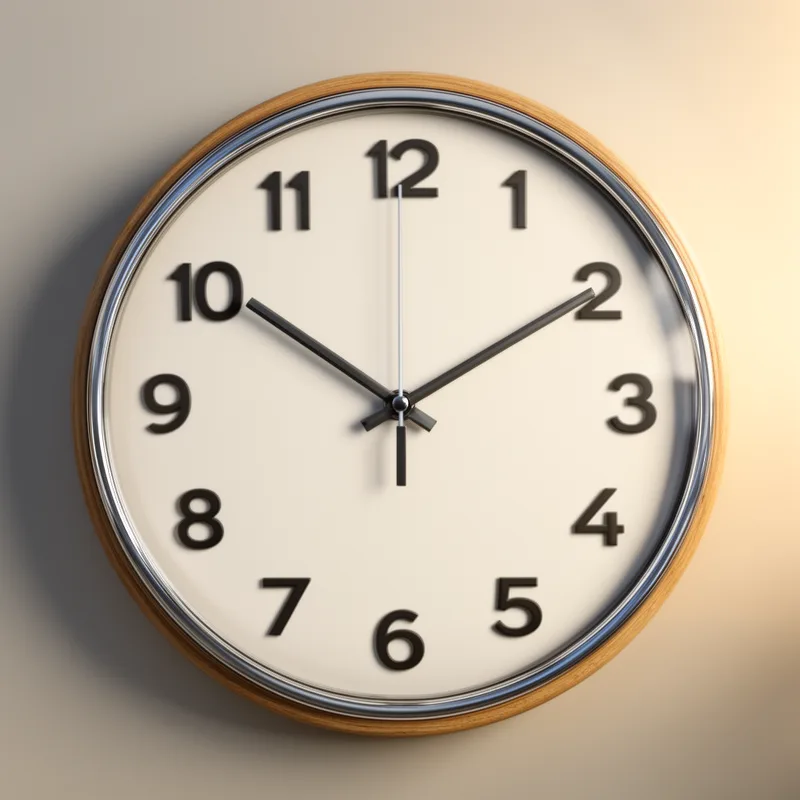
clock face
 1
2.1
1
2.1

- noun
- /klɒk feɪs/
- The clock face showed that it was almost five o'clock.
Loading YouTube…
Watch on YouTubeNext, remove all clock faces from the bedroom.
- Next, remove all clock faces from the bedroom.
- Why would we want to design a clock face timetable?
Examples
-
Stamp the clock face on an index card, laminate it for repeated use, and attach an hour and a minute hand.
Academic text (2013) -
He admired the intricate design of the antique clock face.
-
Guys, is the clock face of Big Ben slightly blue?
-
Remove all clock faces from your bedroom.
-
Several of the areas can be located like sections of a clock face.
Blog text (10) -
Abraj Al Bait is the world's largest clock face.
Blog text (31) -
Then she saw the lighted clock face on the bedside locker.
Fiction book (1991) -
Early elementary grade classrooms or special education departments often have an analog clock face stamp.
Academic text (2013) -
Even though most of us grew up in a time when digital watches were the norm, learning how to read an analog clock face is a handy skill that would have been far easier to master.
Blog text (24) -
Three round objects rested, museum-style, on square white pillars: an ornate clock face, a gold-colored mask, and a head of fresh cabbage.
Academic text (2005)
Synonyms
 49
1.8
49
1.8
A clock face that shows the time with hands or numbers

The face of a clock that shows the time with numbers and hands
How Readable
1
3.6
 1
2.1
1
2.1
Surface Forms
Morphology
The meaning is directly and transparently composed from 'clock' (timekeeping device) + 'face' (front or principal surface), referring to the front surface where numbers and hands are shown. This noun+noun compositional pattern is common cross-linguistically and follows normal English compound semantics, so a B1 learner who knows both constituents will readily infer the meaning.
Etymology
Clock face comes from a simple picture: the flat front of a clock was called a face because it looks like a human face, with the hands pointing to numbers like arms. So, clock face means the front surface that 'shows the time'.